The Retkee app, with you on the go — rated



 Martin & Tina
•
15. 05. 2026
Martin & Tina
•
15. 05. 2026
Iceland doesn’t look big on a map, but the Ring Road (the main road circling the island) will keep you busy for a week or more. Travel times between parts of the island are long, and if you want to see more than just Reykjavík and the Golden Circle, you’ll likely be sleeping in a different place every night. Where you choose to stay determines whether you’ll enjoy your days and evenings to the fullest or if your trip will turn into chaos.
In this article, we’ve put together tips for verified accommodations, not just along the famous Ring Road, that we’ve tried and loved ourselves. From a hotel in the center of Reykjavík to a guesthouse with a glacier view, and cabins just a few meters from the ocean cliffs. During peak season and in certain parts of the island, we recommend booking up to 3–4 months in advance, as capacity disappears quite quickly. That’s why it pays to know where to head and how to plan the whole trip. Our ultimate Iceland guide answers all of that.
Before we dive into the individual tips – you won’t manage in Iceland without your own car. Or you might, but without organized tours, you’ll be significantly limited. If you still want to skip the car, we have a separate guide on how to enjoy Iceland even without a car. We personally use Blue Car Rental, where you can get a 5% discount on your entire rental through our link.
How many nights and where: a quick summary
- 3–4 days: Only Reykjavík, the Golden Circle, or the Snæfellsnes Peninsula.
- 7–8 days (classic Ring Road): Reykjavík, Vík, Höfn, Egilsstaðir, Akureyri, Borgarnes. Six different overnight stays over seven nights. Intense, but doable.
- 10 days (Ring Road with a buffer): Same route, but add a second night in Vík or Akureyri and a detour to the Snæfellsnes Peninsula.
- 12+ days: Add the Westfjords or the Highlands (summer only).
Reykjavík for a short stay
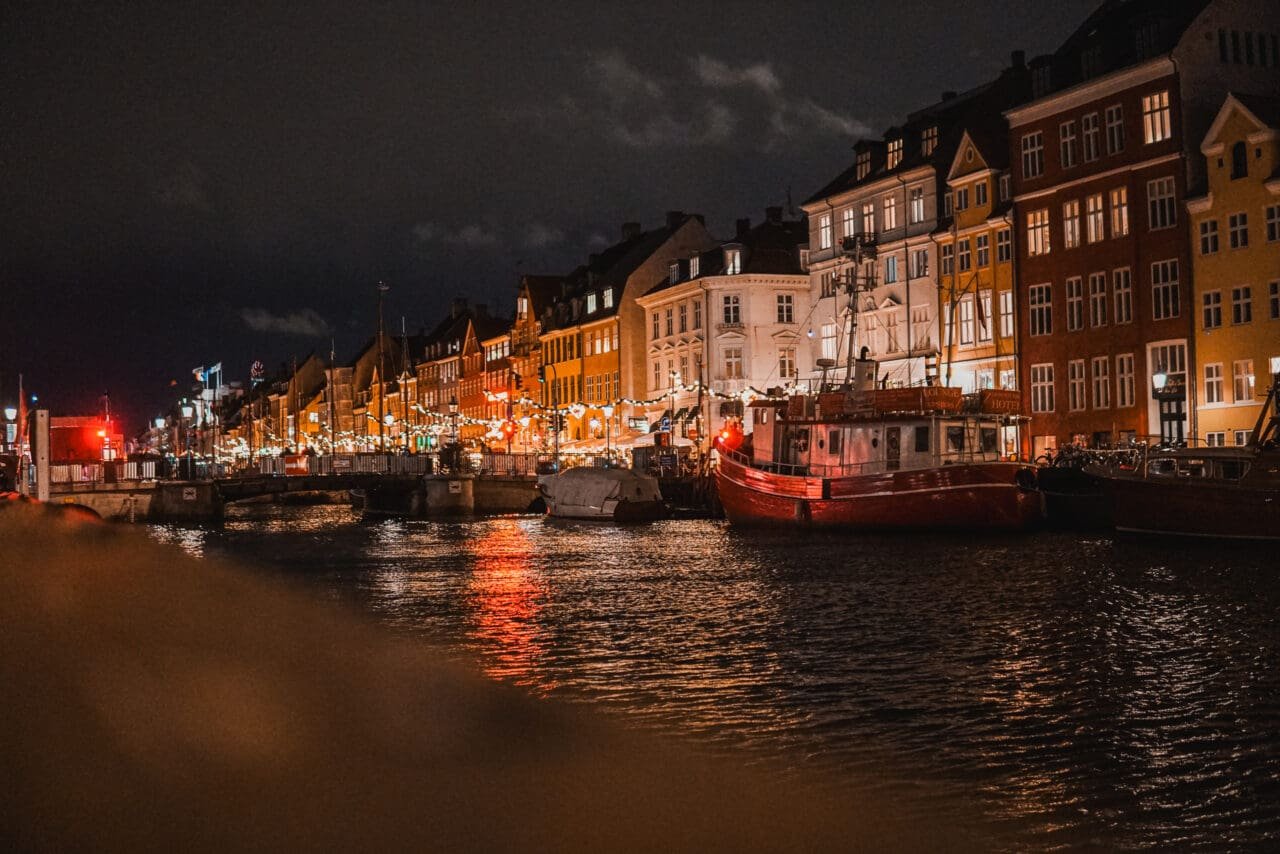
Don’t miss Reykjavík, Iceland’s capital, during your trip. Either stop here for at least 1 night (which is enough) right at the start of your journey, or at the end. We usually chose the second option during our trips to Iceland and enjoyed a bit of “civilization” at the end of our travels. And twice in Reykjavík, we chose the Skuggi Hotel.
We appreciated the very good breakfast, fairly spacious (though darker) rooms, and parking right at the hotel. Plus, it’s only a few minutes’ walk to the biggest highlights in Reykjavík. Looking for more options beyond the center? Explore more accommodation on Booking.com.
Right in the city, hotels with their own parking are worth it. Paid street parking in the center costs 200–400 ISK/h, which is a significant expense.
Golden Circle and Selfoss
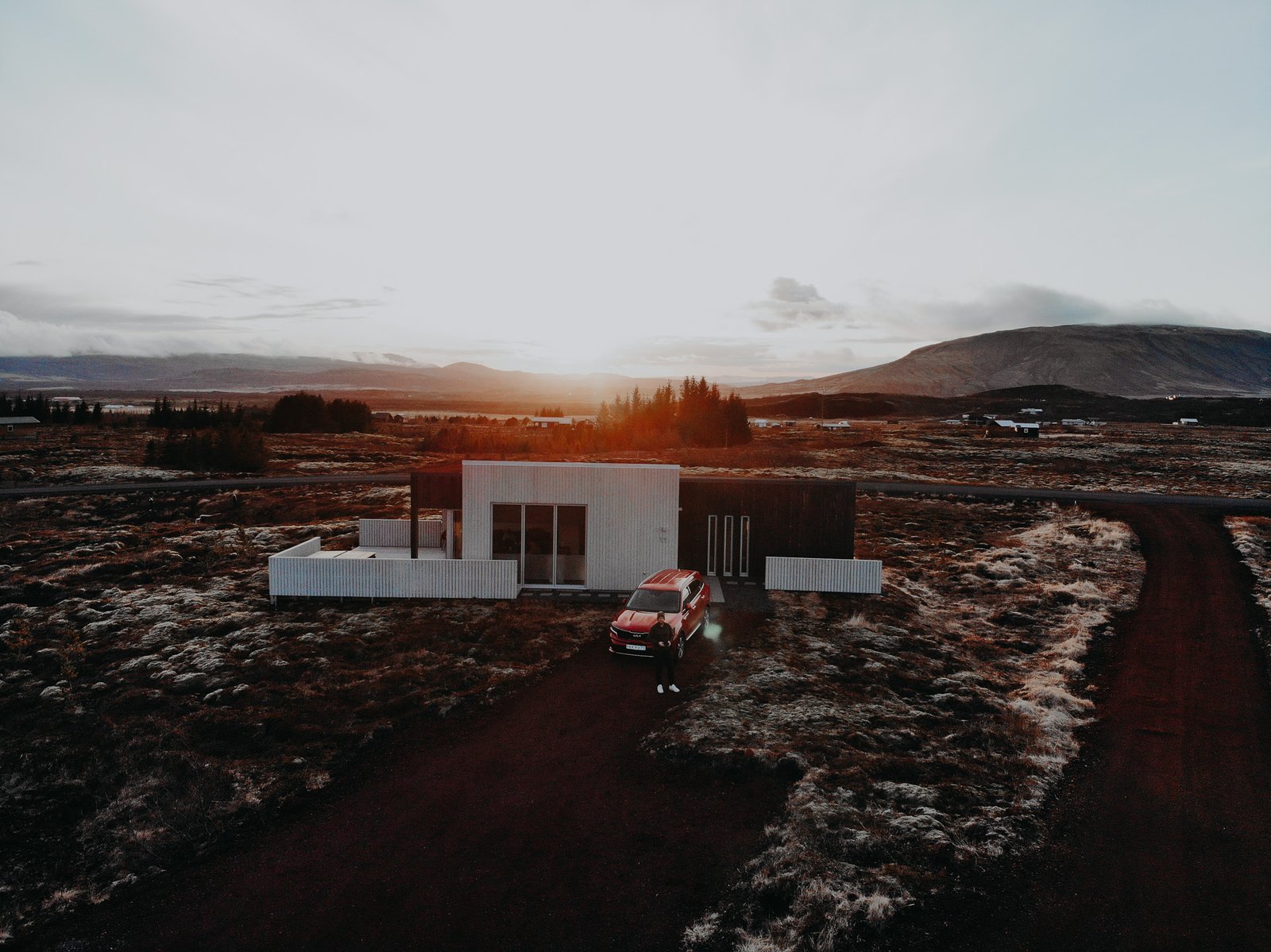
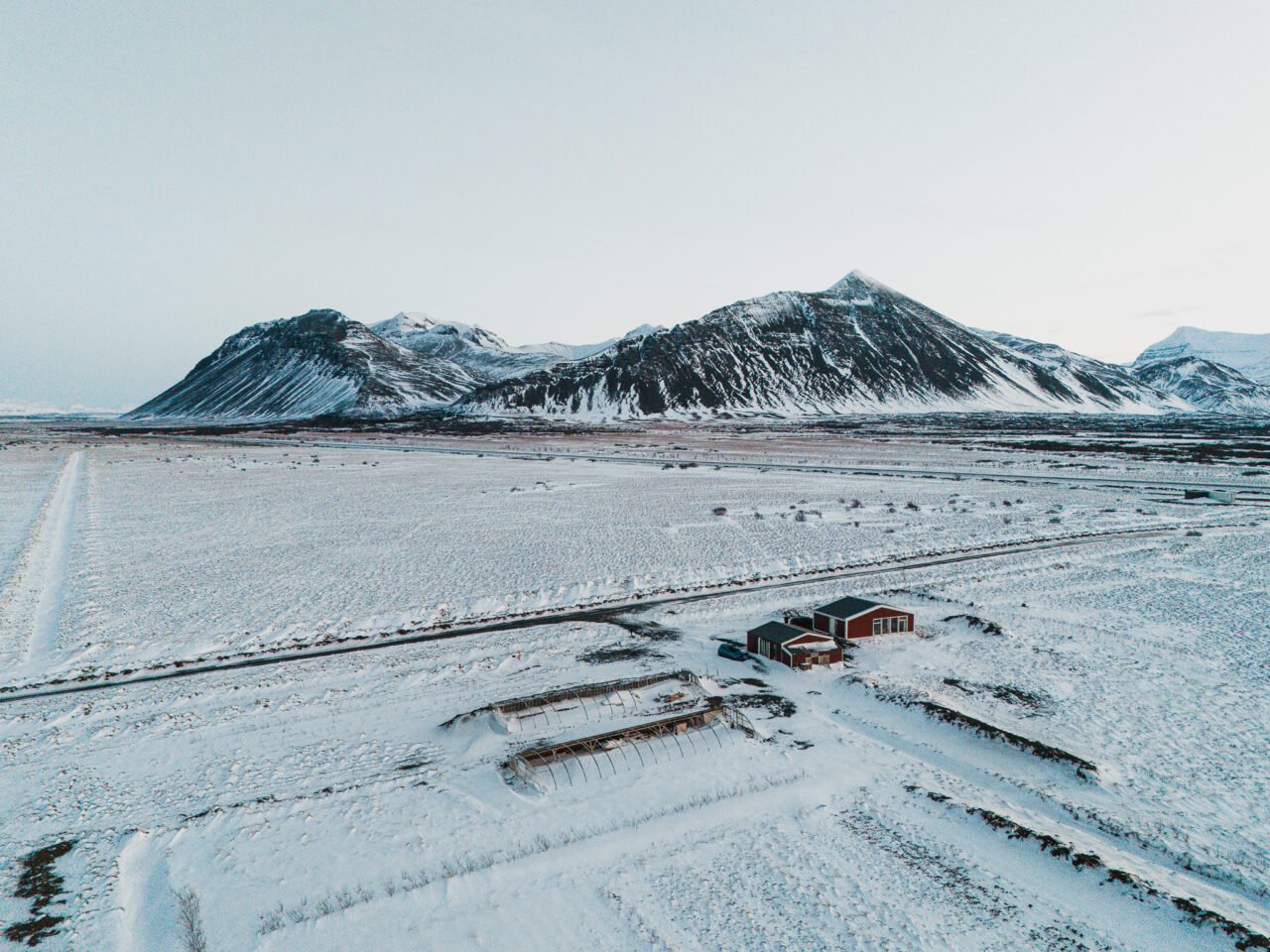
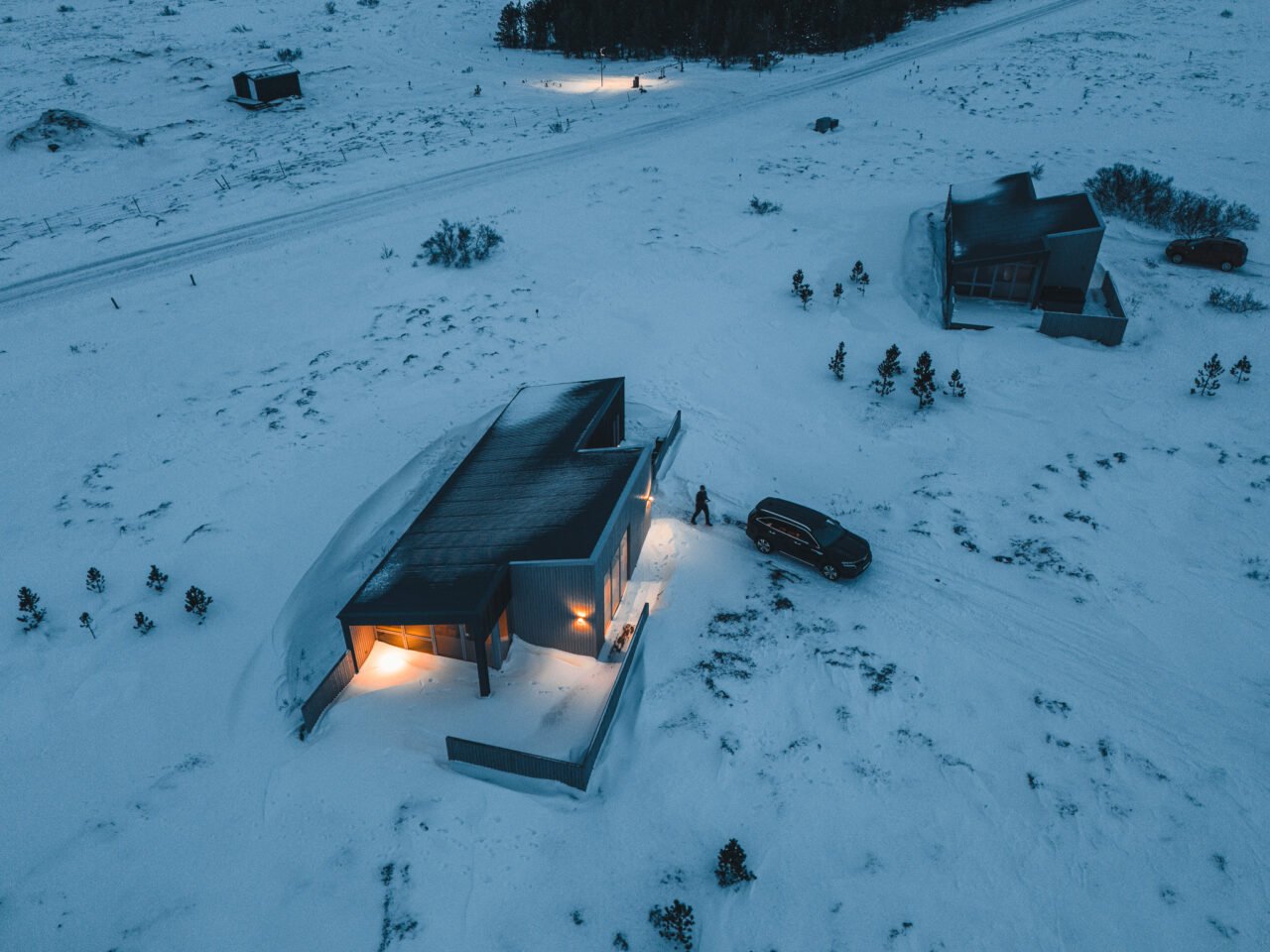
Even though the Golden Circle is a very touristy area of Iceland, we recommend visiting it, especially during your first trip. It offers beautiful spots and very nice accommodation options. In this area, near the Kerid crater, we loved the Kerbyggð accommodation – beautiful stylish houses in the middle of nowhere.
The houses are excellently equipped, including a kitchen, multiple bathrooms, and a hot tub on the terrace. In the winter months, there’s also a better chance of seeing the Northern Lights thanks to zero light pollution.
If you’re looking for something a bit more affordable, we can recommend Hótel Kvika in the area. Nice rooms, breakfast included, and a hot tub on the shared terrace – a great choice in our opinion.
Vík on the south coast
Vík is a small town on the south coast of Iceland that you can’t miss if you head along the Ring Road. Besides the nearby black beaches or the famous little church, there are many shops, good restaurants, and two of our favorite accommodations. Vík is a great and strategic spot, and we recommend spending at least one night here, or even 2 if you’re planning a trip to the Katla Ice Cave.
Our favorite accommodations in Vík include the modern Hótel Vík and also Vík Apartments if you’re looking for more space and your own kitchen. New accommodations are constantly popping up in Vík, and you can find more on Booking.com.
Höfn as a stopover near Jökulsárlón
The drive between Vík in the south and Egilsstaðir in the north is long, and there’s a lot to see in one day, especially if you want to stop at canyons, glaciers, or waterfalls along the way. Höfn is therefore an ideal stopover and a perfect starting point for an early morning return to Jökulsárlón or Stokksnes beach. If you arrived there the afternoon before among the crowds, the next morning at 8:00 AM it’s close by and you’ll have it almost to yourself.
In Höfn, we liked Lilja Guesthouse, which is located about 10 kilometers west of the town right on the Ring Road, with a view of the Vatnajökull glacier.
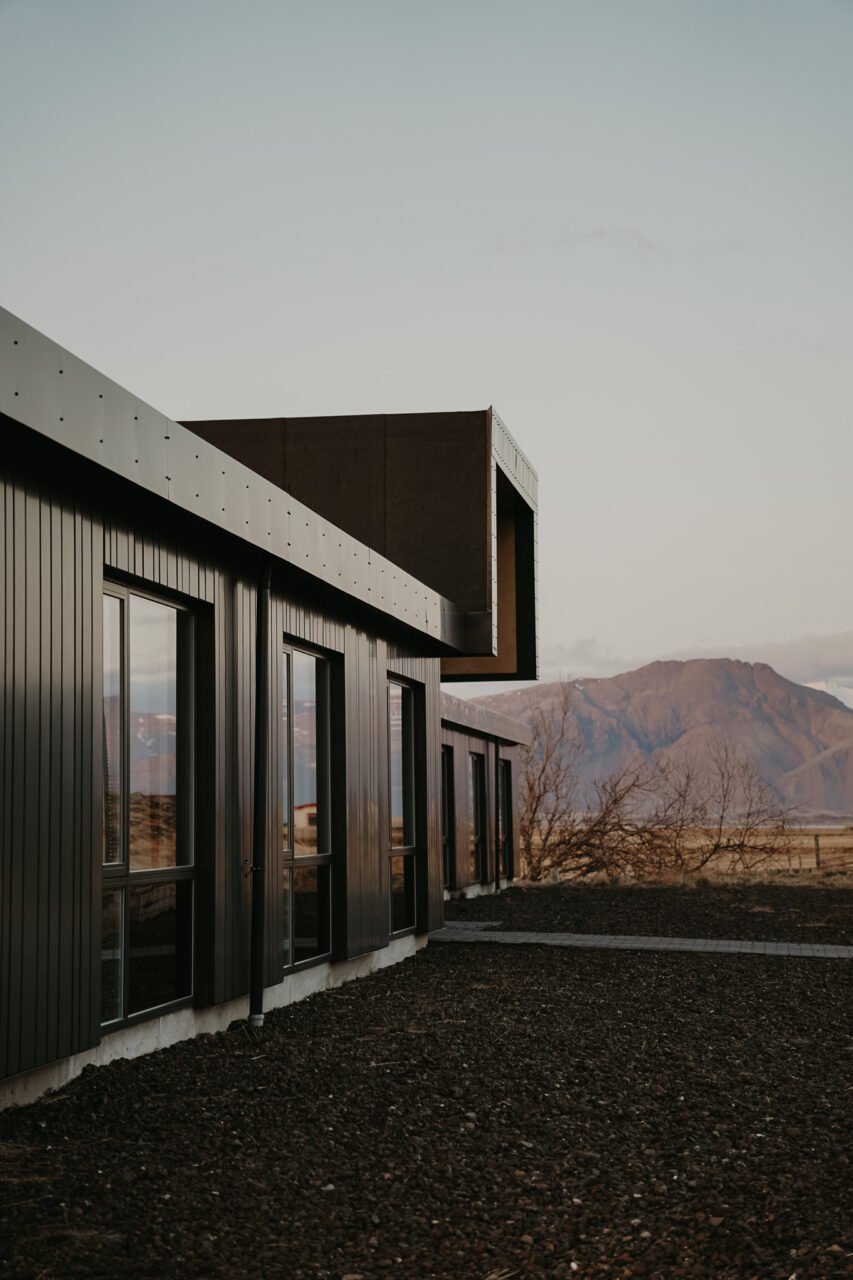
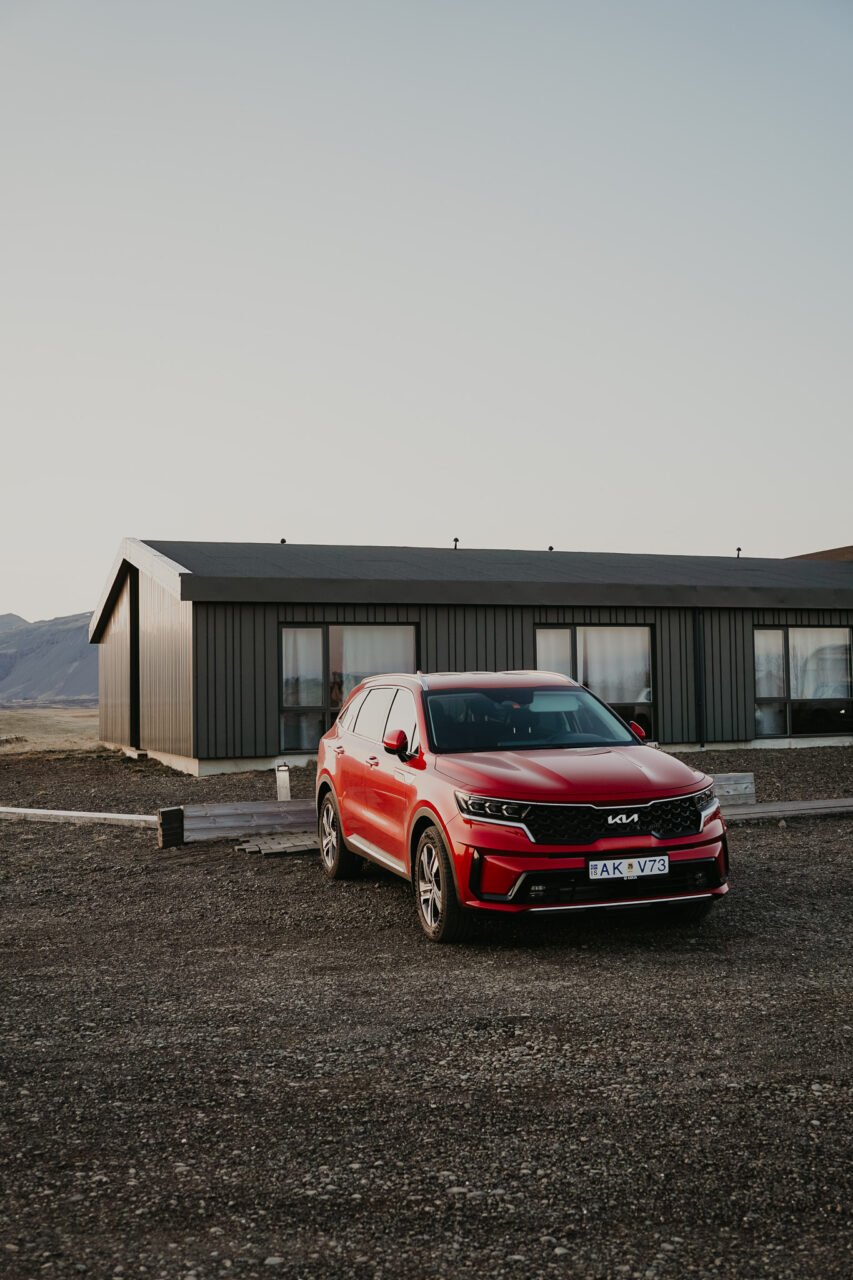
For us, it’s a very good choice if you’re looking for affordable accommodation with breakfast and parking right in front of the entrance. Plus, it’s more secluded and has the aforementioned glacier view. But if you’re looking for accommodation directly in Höfn, here are more options.
Egilsstaðir in the northeast of the island
Egilsstaðir is the largest town in the east and a logical stop between Höfn and the north. Here, the number of tourists drops significantly, accommodation prices fall, and the fjords and a slightly different landscape begin. Additionally, Egilsstaðir is home to one of our favorite spas in Iceland – Vök Baths.
However, if you’d like to stay further from the town, we can recommend cozy cabins nearby.
Akureyri in the north
Akureyri is Iceland’s second-largest city and a perfect base for the entire north. The city itself is worth a visit, but most importantly, you’ll find gems like Goðafoss, the Mývatn area, or Húsavík nearby. In Akureyri, accommodation fills up quickly in season, so book in advance. Fortunately, there’s really a lot to choose from, and we’ve included one of our tips below.
A tip for the northern part of Iceland is also Húsavík, which is especially known for great whale watching tours. If you have at least 2 days in the north of the island, make a stop here.
Borgarnes towards the west
You’ll pass through Borgarnes if you’re returning to Reykjavík from the north of Iceland or the Westfjords via the Ring Road. It’s a medium-sized town that serves as a great starting point not only for trips to the immediate surroundings but also, for example, towards the Snæfellsnes Peninsula.
In Borgarnes, we chose Hótel Hamar, which offers not only classic hotel rooms but also stylish cabins or modern and well-equipped apartments.
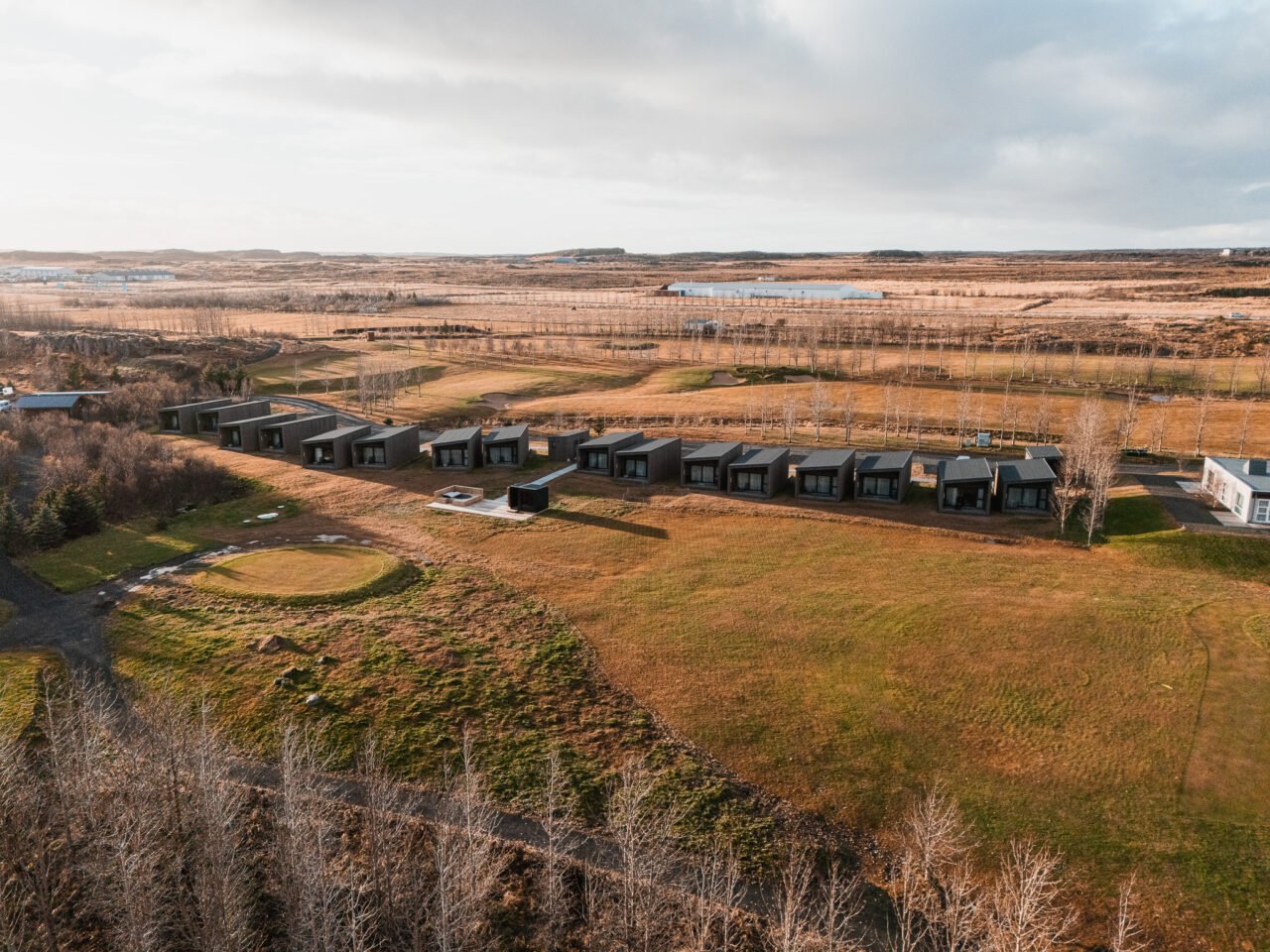
For golf fans, it’s also a place where you can see more than one hole right from your room. And a hot tub too. All for a pretty decent price.
Snæfellsnes: a bonus detour
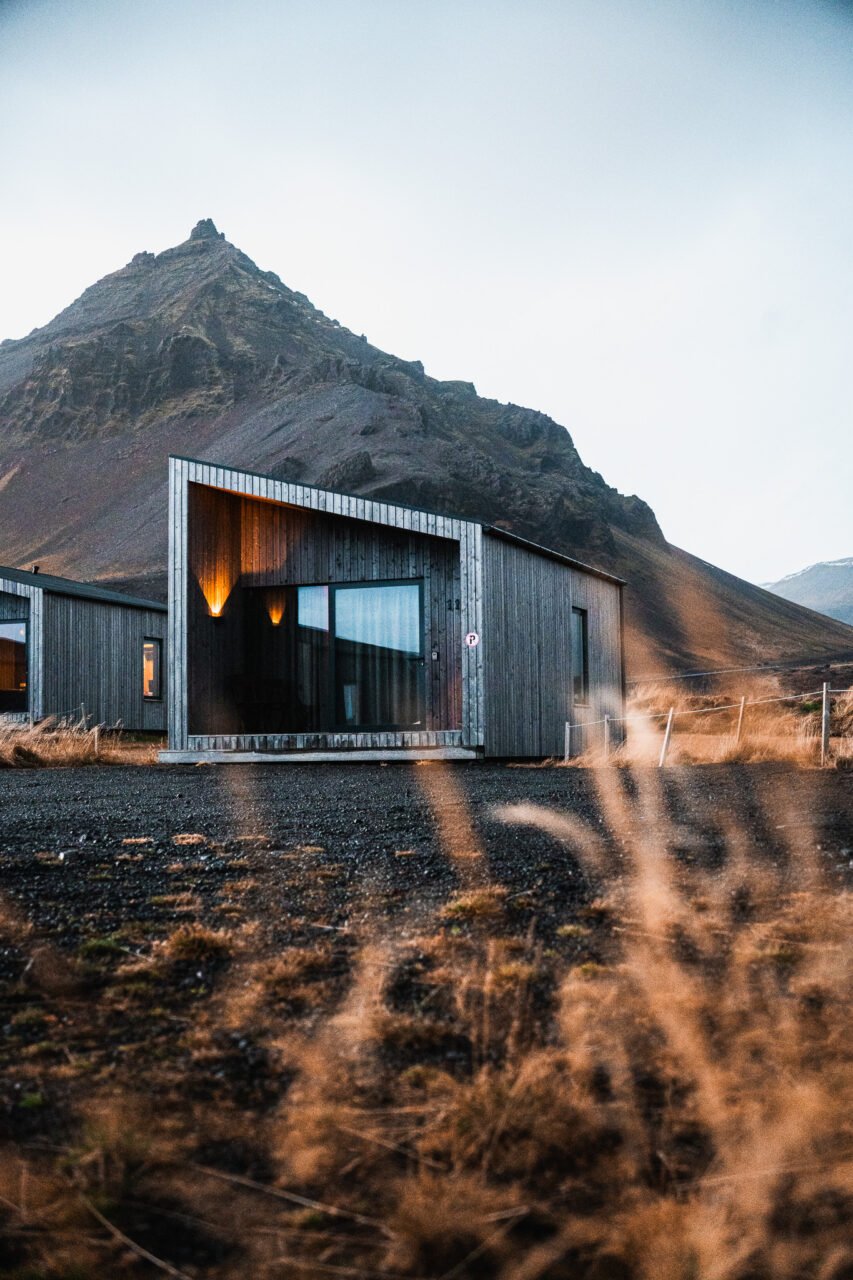
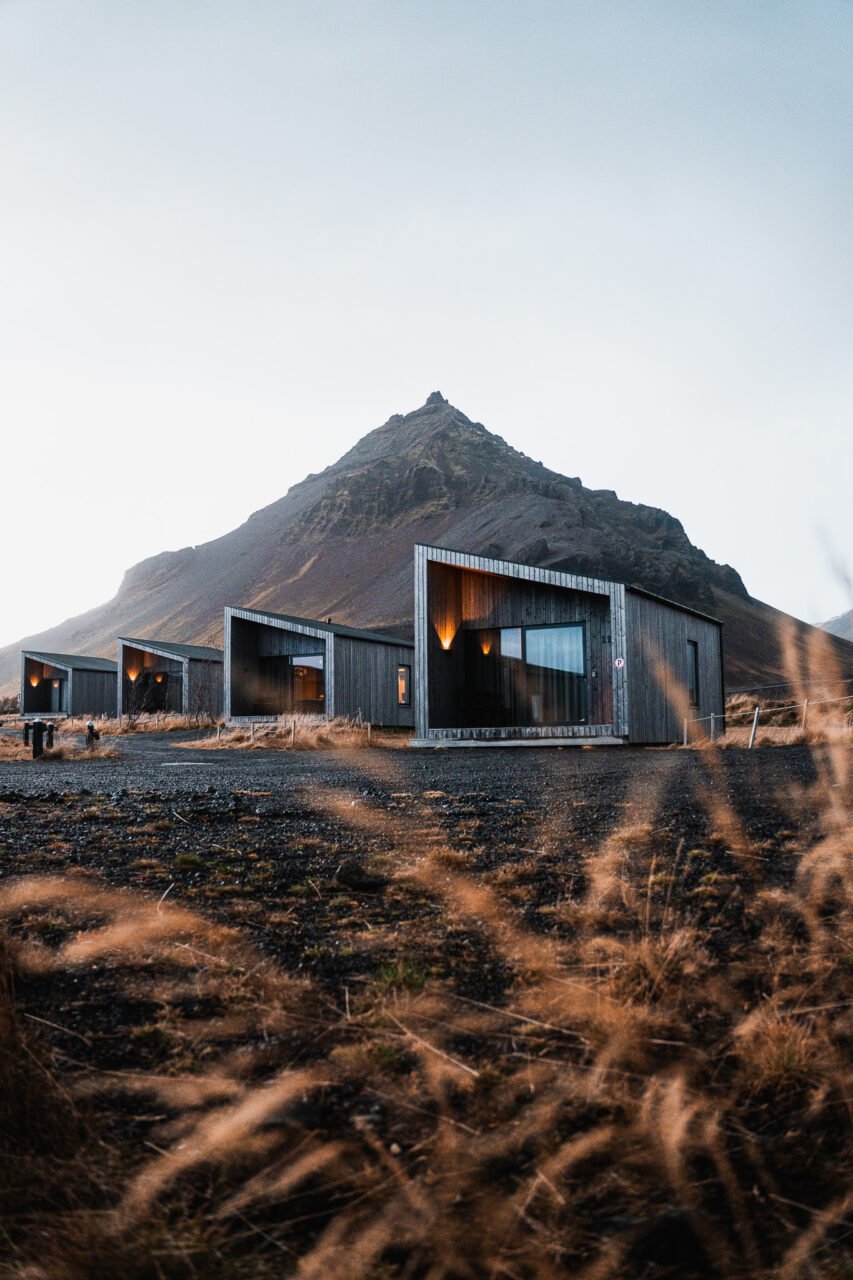
The Snæfellsnes Peninsula is an unfairly overlooked part of Iceland that we truly fell in love with despite its “harshness.” There are minimal tourists, accommodation prices are friendly, and the nature is beautiful. At the very tip of the peninsula, we can recommend Arnarstappi Cottages, stylish cabins by the windy coast.
From the accommodation, it’s just a short distance to all the rock formations on the coast, whether on foot or by car. It’s also a good halfway point, so we can definitely recommend this place.
Westfjords
The Westfjords are often considered the most authentic part of Iceland. For a second visit, for vanlife, or for someone who likes solitude. What we know about them from planning and from other travelers is that the Westfjords have their own specifics. Few roads, longer distances, a different atmosphere. A plan for 2–3 days is the minimum, otherwise you’ll spend more time on the road than at the sites.
Five things that apply across Iceland
Regardless of the length of your stay, it’s worth keeping a few rules in mind beforehand:
- Book in advance during peak season. June to August are booked up 2–3 months ahead in Akureyri, the south, and the east. Off-season (May, September, October), you can manage most bookings a week in advance.
- Want to save money? Look for accommodation with a kitchenette . Breakfast in a hotel costs 2,500–3,500 ISK per person (though some accommodations have breakfast included). For a week-long stay, that’s an extra 25,000+ ISK. You’ll find a Bónus supermarket in almost every larger town.
- A hot tub in the garden is standard, not a luxury. Especially in the north and east. It’s worth checking this in the filters. After a day in the rain, it’s the biggest difference between a relaxing evening and a struggle.
- Watch out for “remote” locations in winter. Some roads (the Highlands, parts of the Westfjords) are closed from autumn to spring. Check the access road on road.is before booking.
- Parking in Reykjavík is not free. In the center, it’s 200–400 ISK/h; hotels with their own parking add to the price, but you’ll save time and nerves.
Planning the whole trip? We have a guide for you
Choosing accommodation is just one of the things you need to figure out before a trip to Iceland. Others include knowing what to do each day, where to stop, which places not to miss, or where to restock and eat. Our ultimate Iceland guide covers all of this and much more. It includes all the aforementioned tips and dozens of others for accommodation, clearly laid out on a map.
Iceland: the ultimate guide – map, itineraries and tips
Show guide
In the guide, you’ll find over 90 verified spots, 8 itineraries (Ring Road, South, Snæfellsnes, or Reykjavík), interactive maps, and car discounts. Everything in one place, without a hundred open tabs.