



Dependent on season
LWL Museum, every day, except Monday, 10:00 - 18:00 • More🌺 Spring planning: 20% off all itineraries with code SPRING20
🌺 Spring planning: 20% off all itineraries with code SPRING20



Only registered users can save places and itineraries. If you don’t have a Retkee account yet, create one for free and unlock even more benefits.
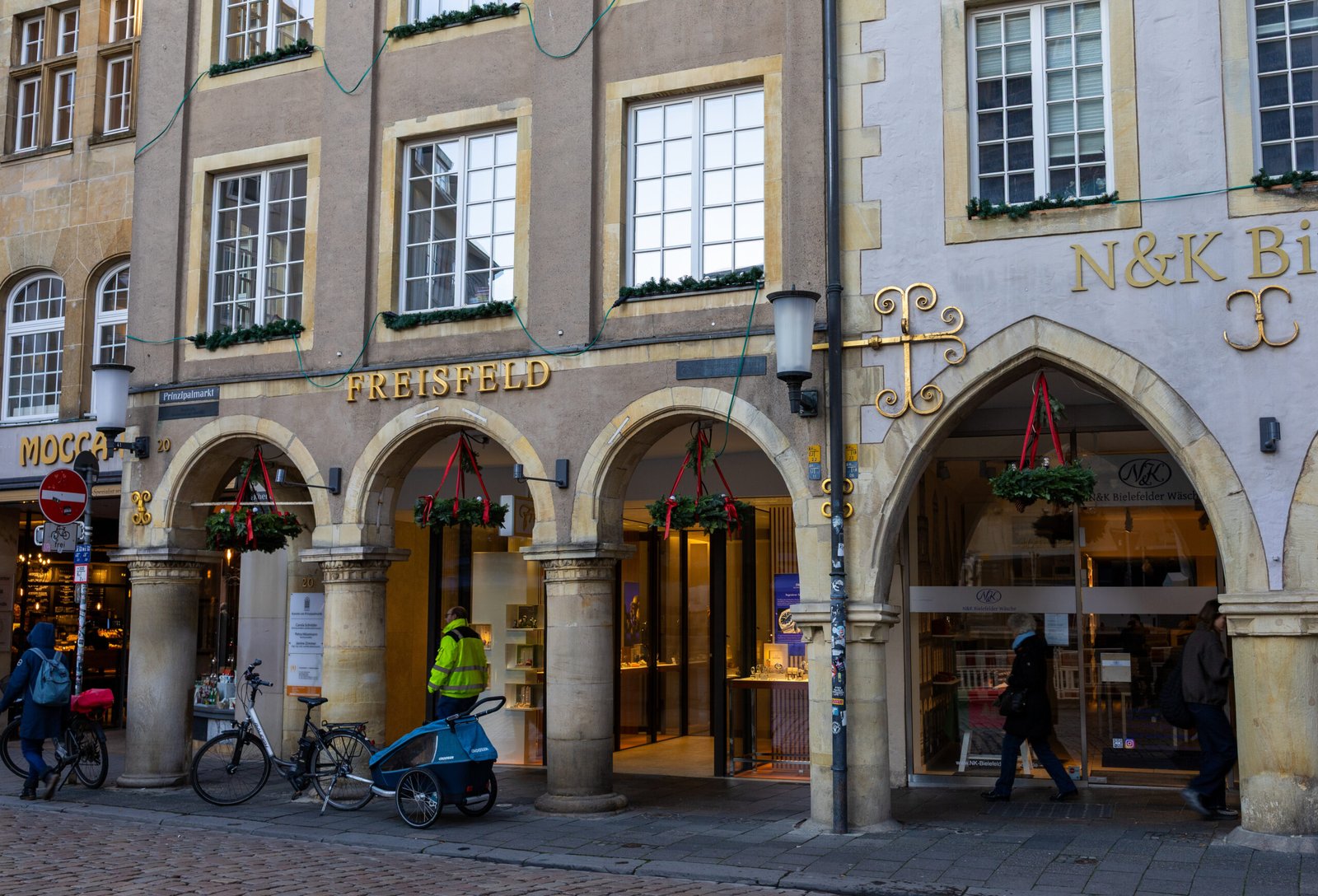
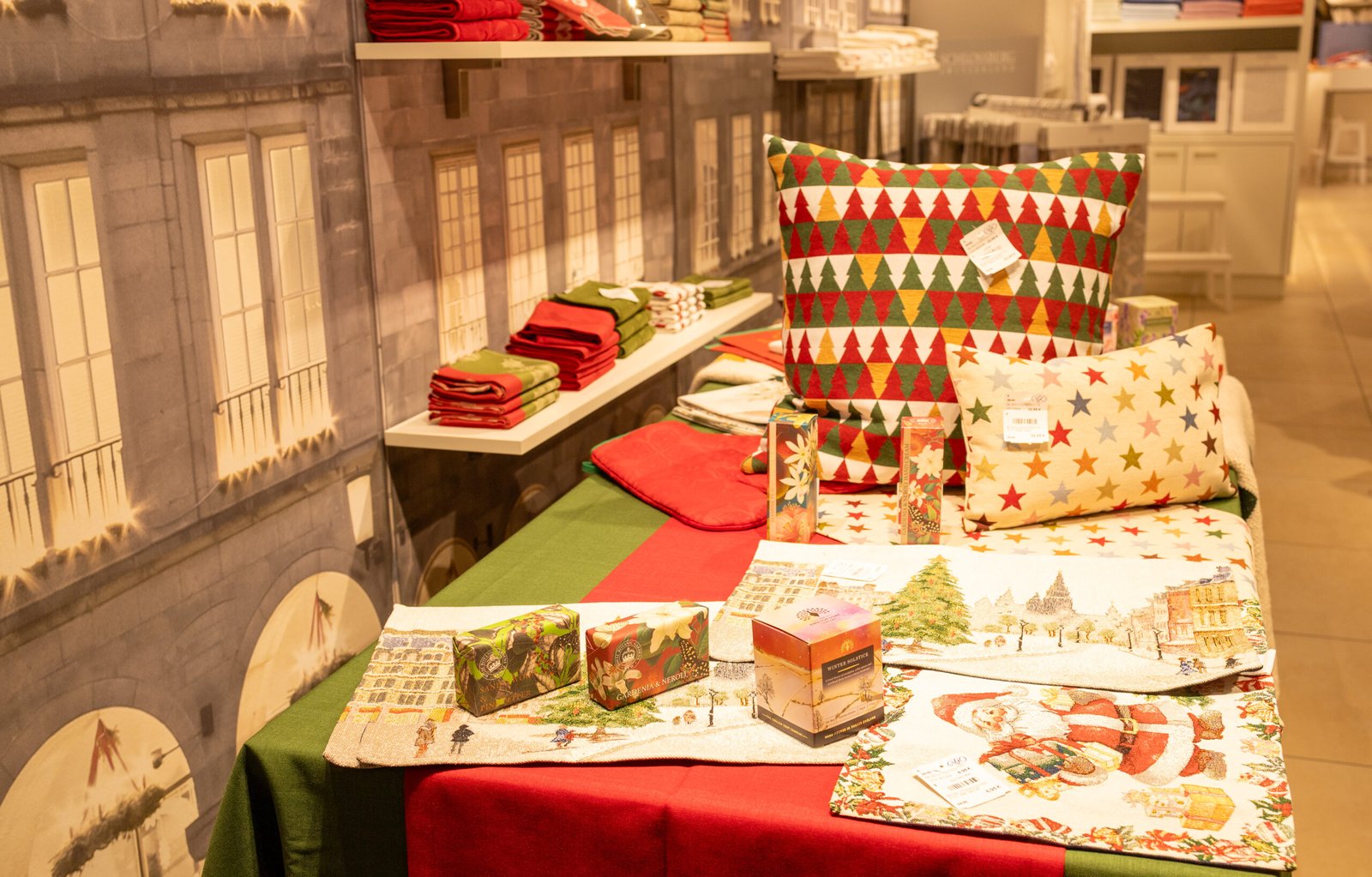
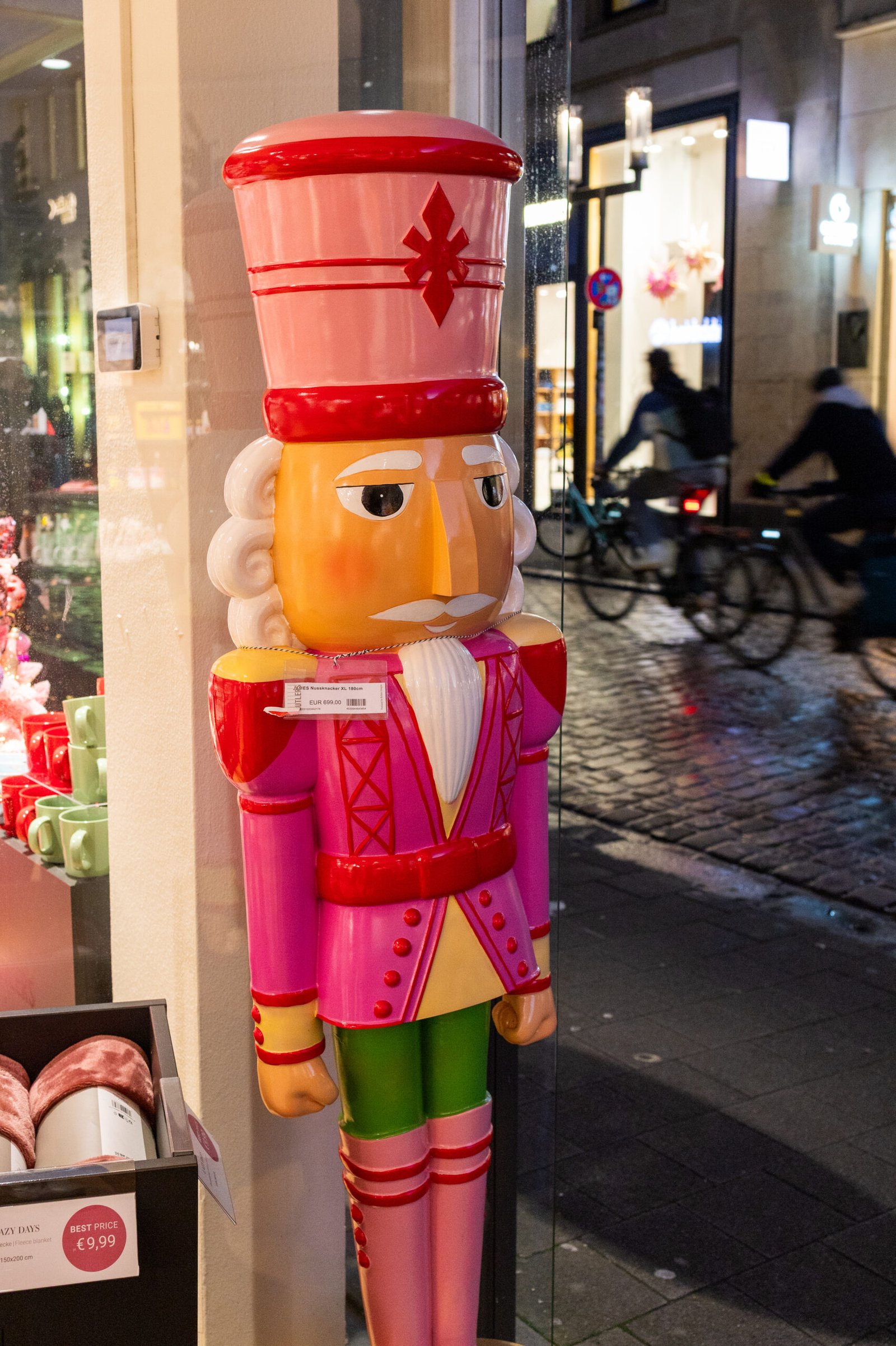
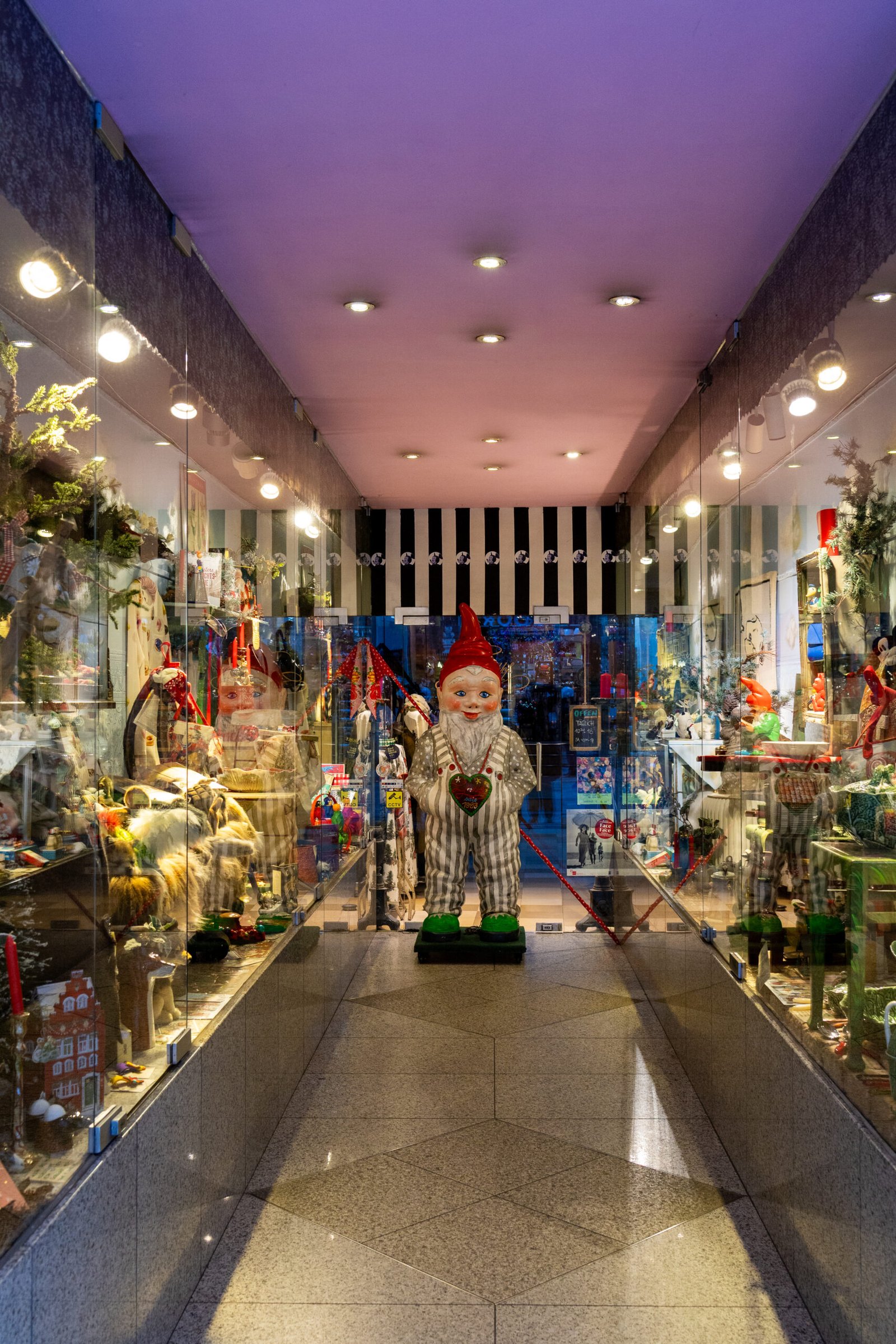
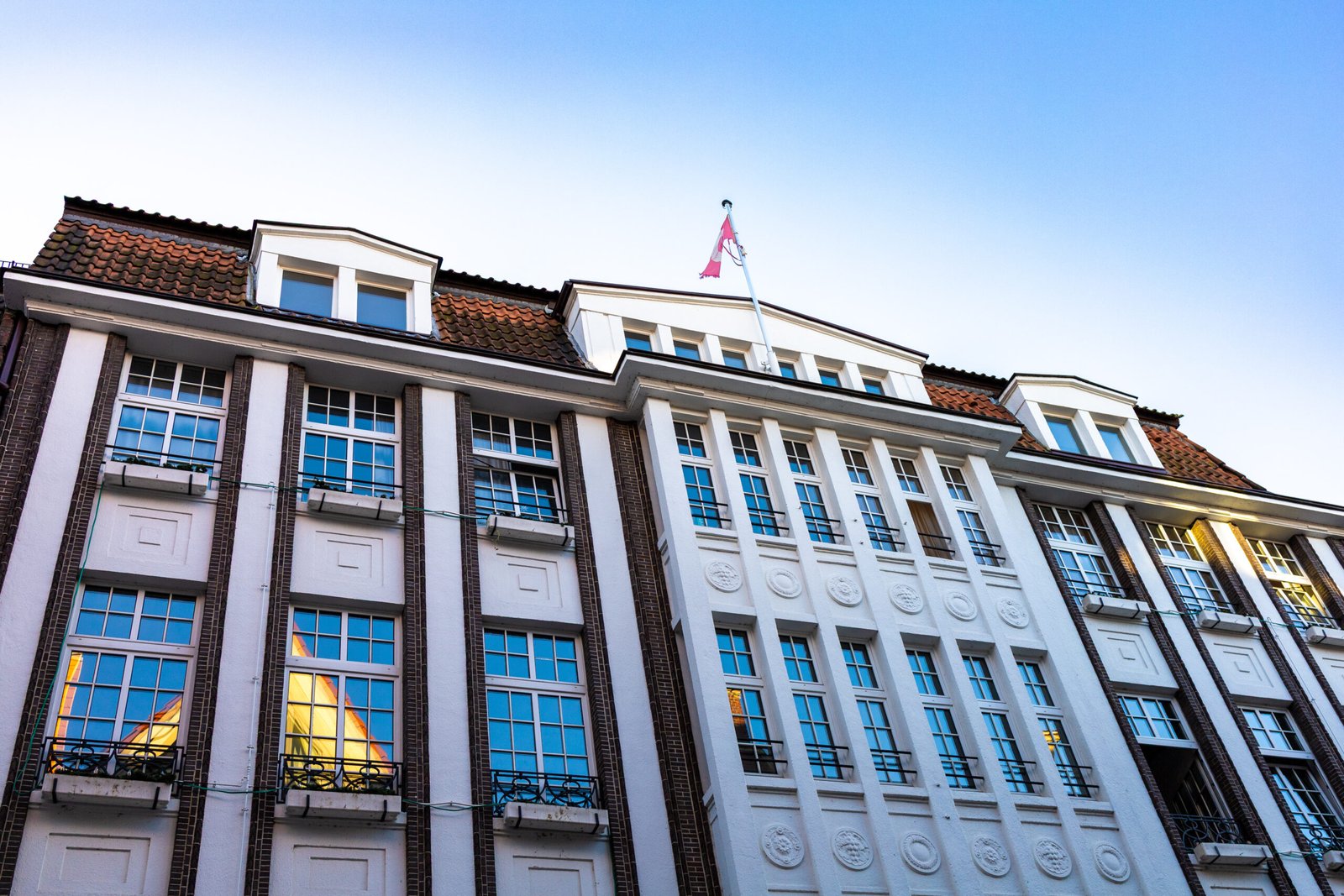
Rothenburg Street connects the Prinzipalmarkt with the Aegidii Christmas Market and is lined with charming shops and bakeries.
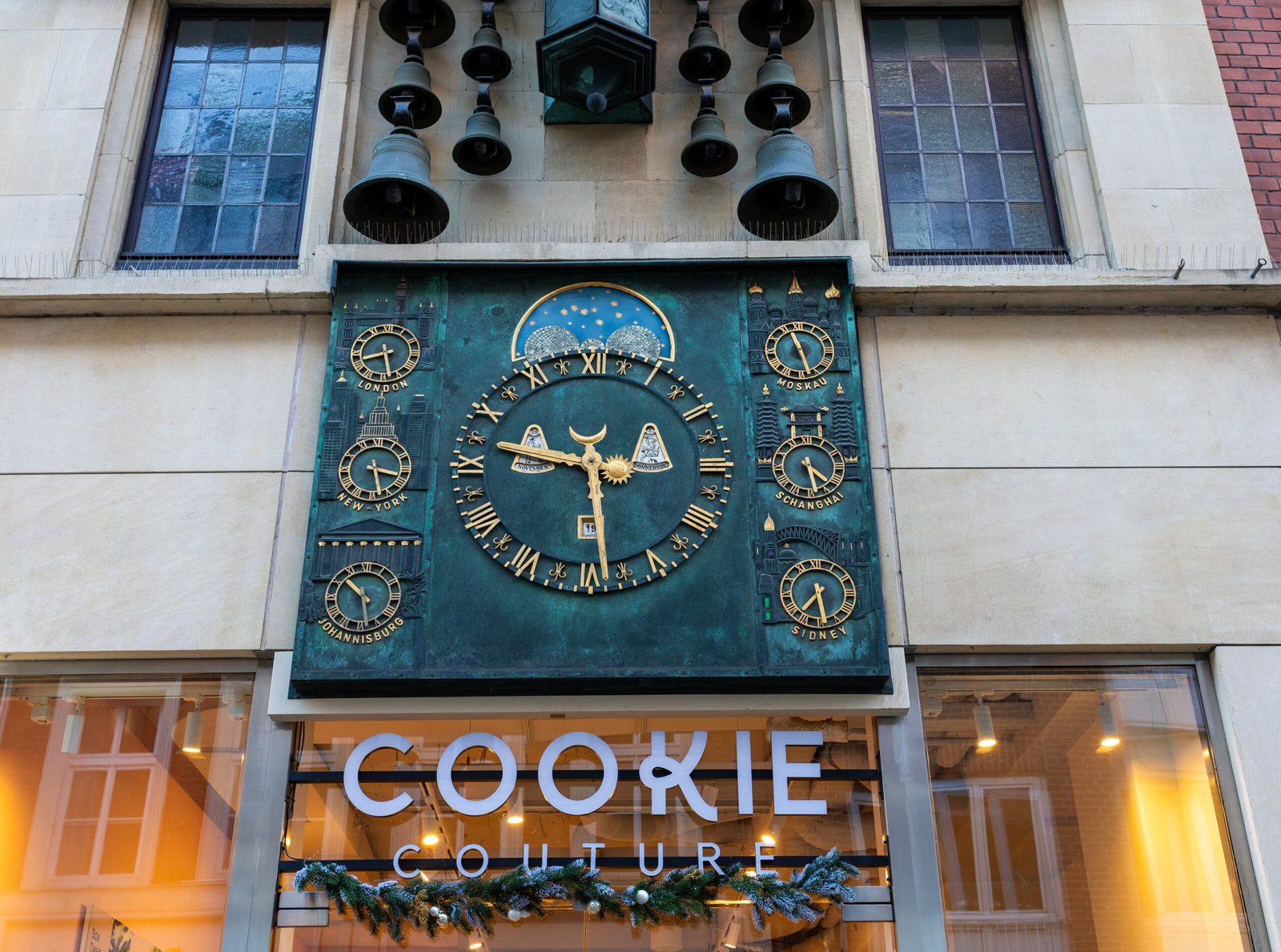
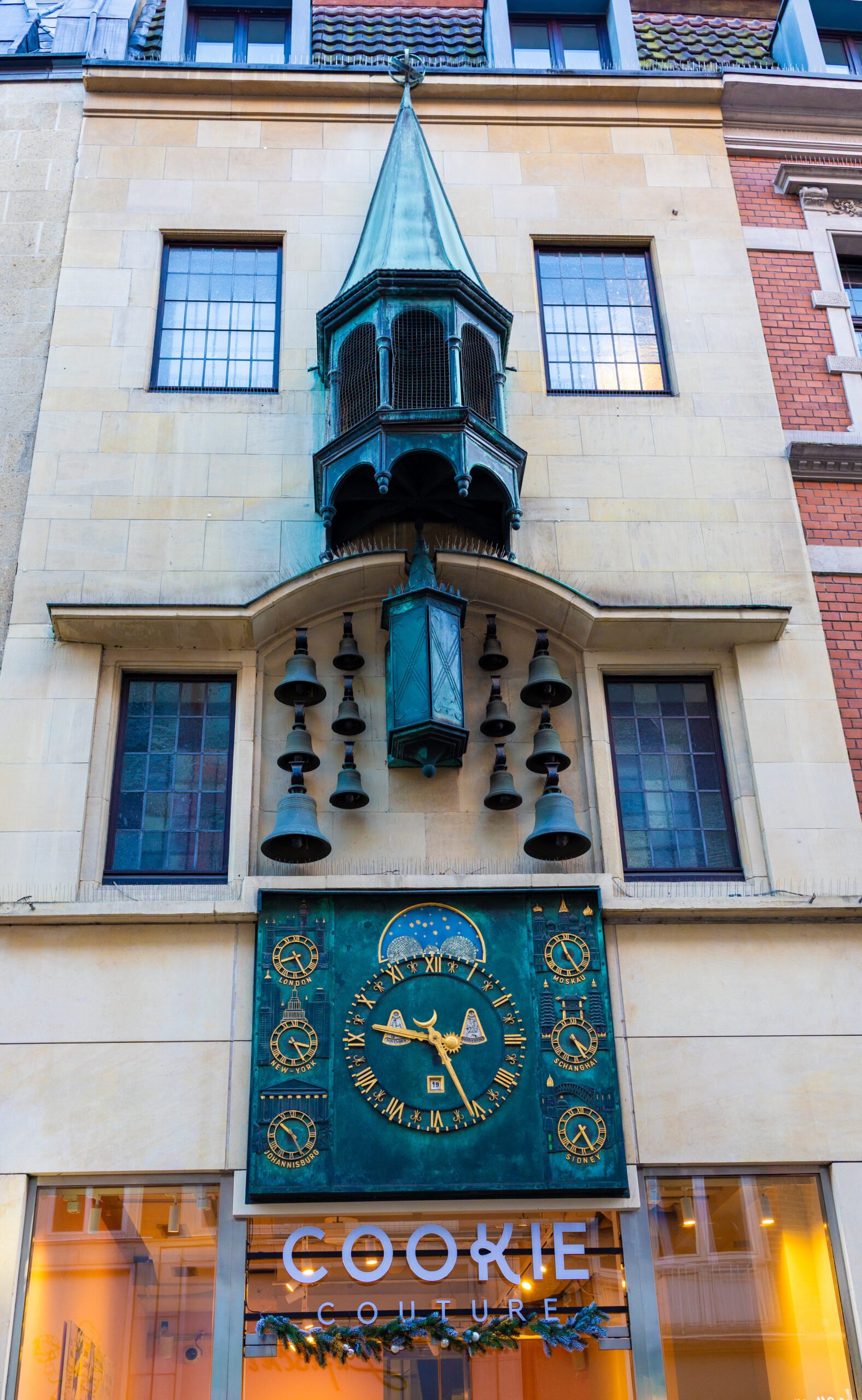
Particularly interesting is house number 13, where the World Time Clock with Carillon (Weltzeituhr mit Glockenspiel) is located. Built in 1958 during the city’s post-war reconstruction, this striking column is crowned with a globe surrounded by smaller celestial spheres symbolizing the universe. Beneath it, 43 bells form a carillon that plays daily at 12 p.m., 2 p.m., 4 p.m., 5 p.m., and 6 p.m. As the music rings out, moving figures appear, depicting two key moments in Münster’s history: the signing of the Peace of Westphalia in 1648 and the traditional merchants’ guild dance. The four symbolic figures below — an astronomer, a monk, a painter, and a merchant — represent science, faith, art, and trade. The clock is not only a technical masterpiece but also a symbol of Münster’s resilience and cultural richness — a city that beautifully unites history, art, and innovation. Don’t miss the performance when the bells bring history to life in the heart of the city.
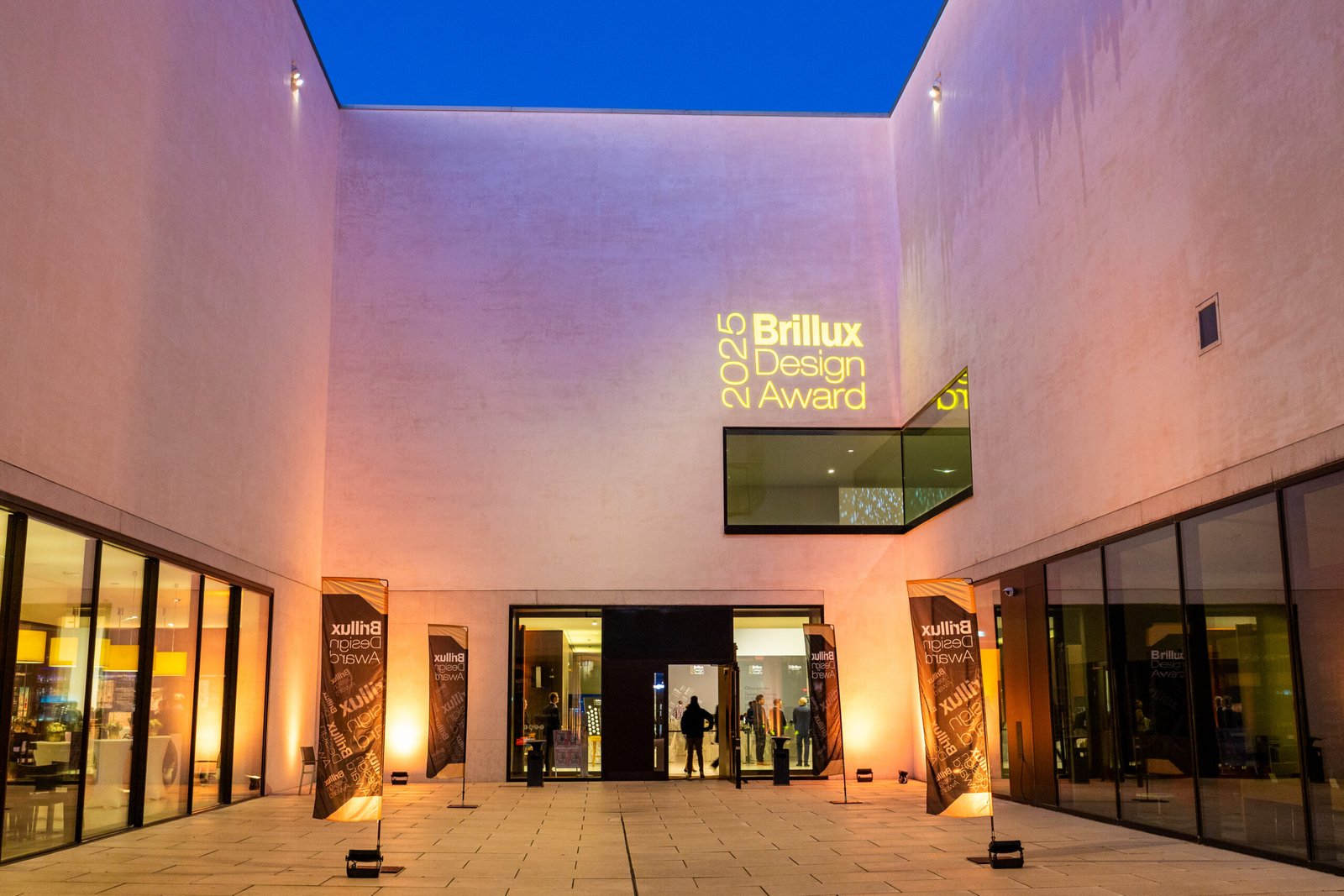
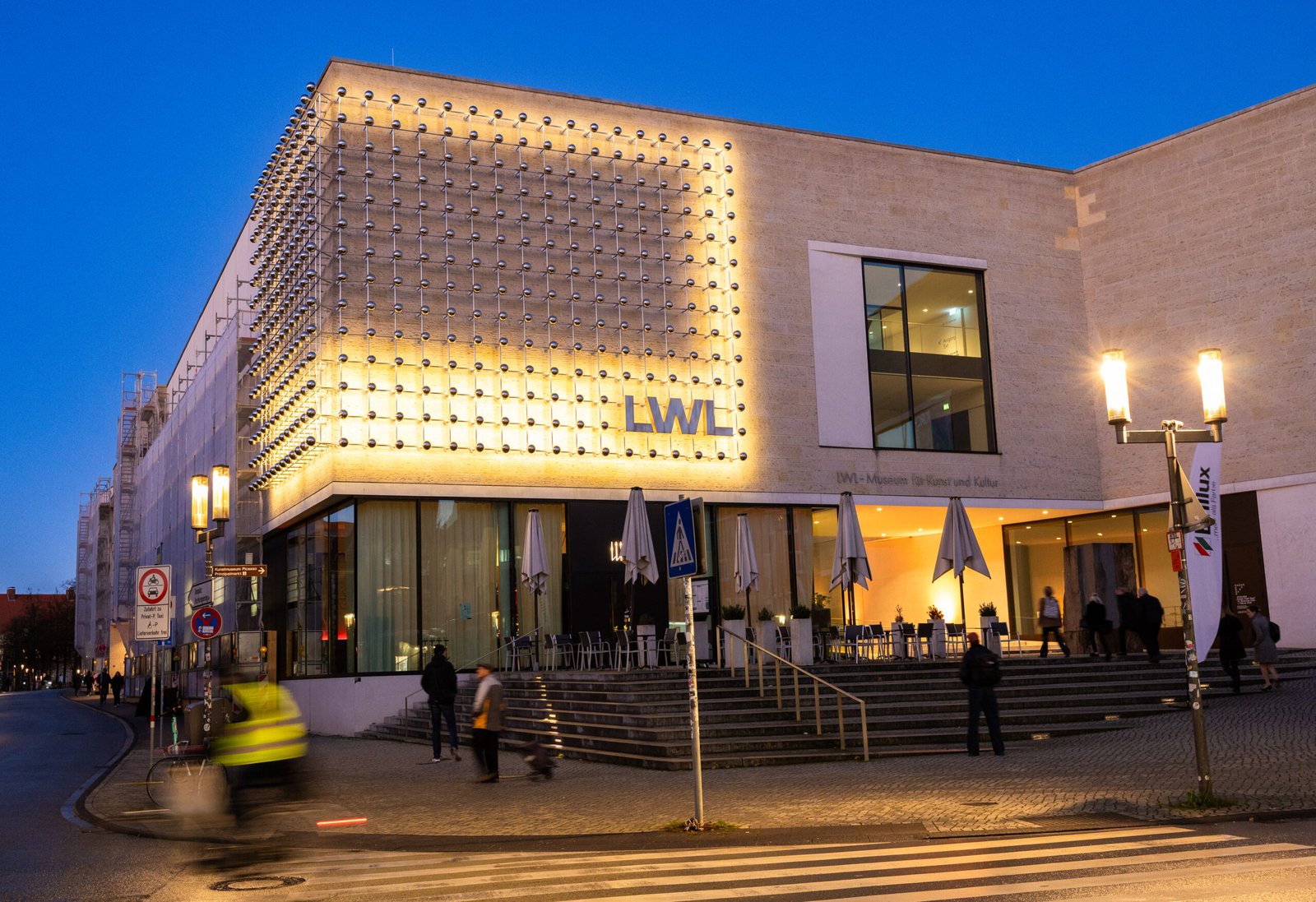
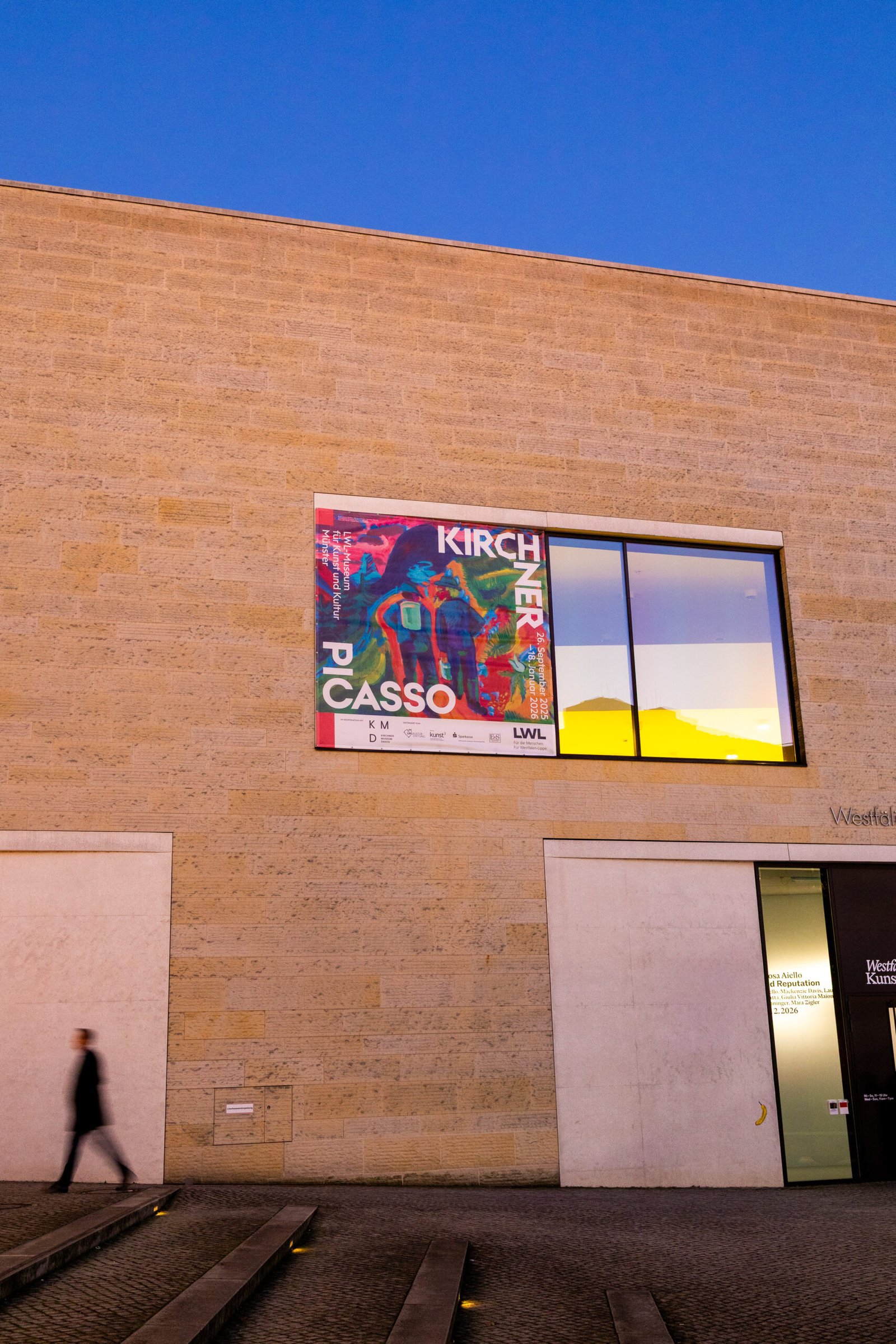
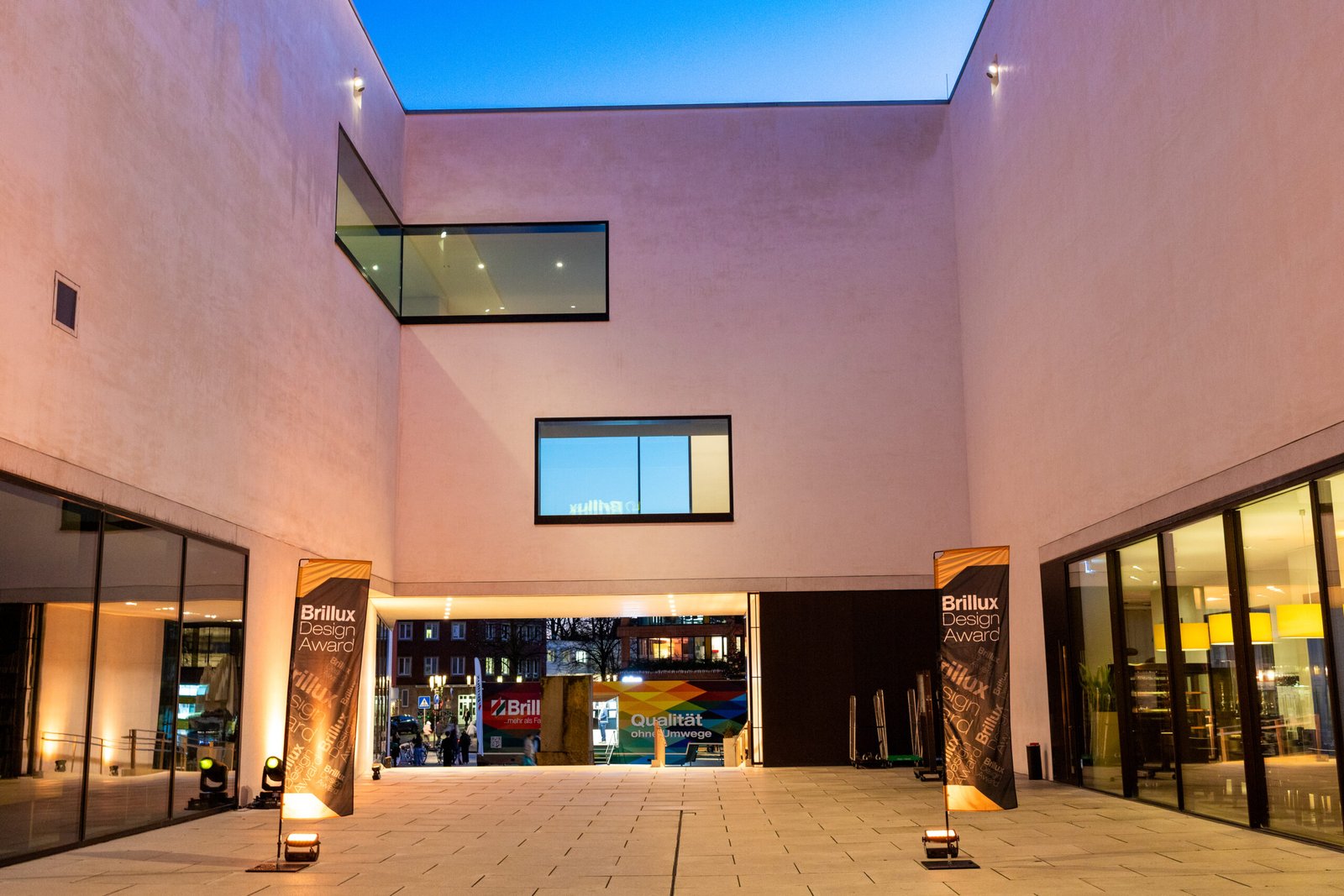
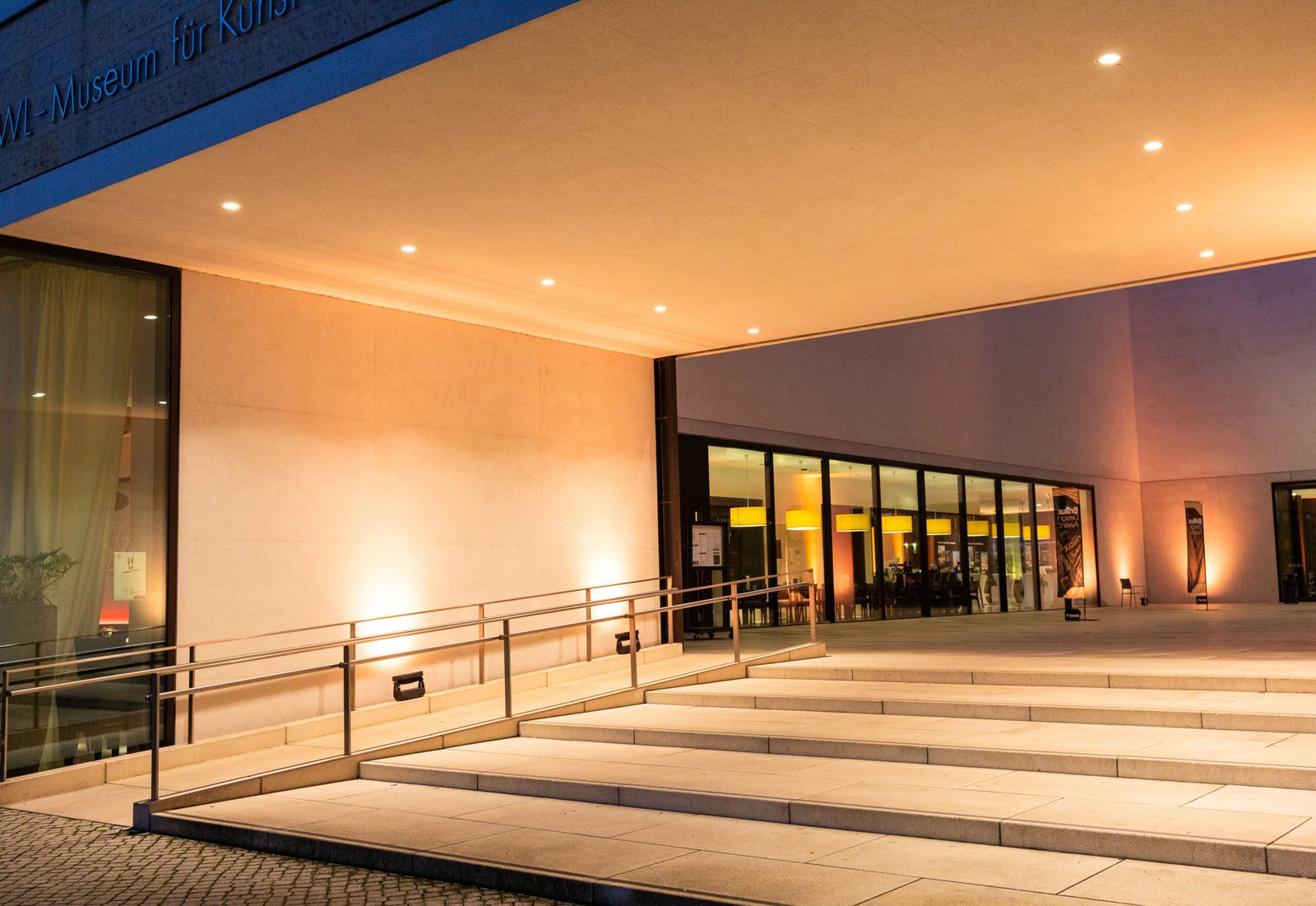
At the end of Rothenburg Street, on the right-hand side, you’ll find a beautiful example of modern architecture, tastefully integrated into the city’s historic surroundings – The LWL Museum of Art and Culture. This amazing museum was opened in 2014. The building represents modern architecture with clear, long lines and sandstone walls. The museum spans 1,000 years of art, from the Middle Ages to contemporary works. Its modern sandstone and glass façades blend beautifully into the old town, creating a bright and open space to explore. Visitors can enjoy both the museum’s remarkable permanent collections — including the Cremer Collection, works by the tom Ring family, and modern masterpieces — and ever-changing exhibitions that offer fresh perspectives on art and culture.
A visit to the LWL Museum für Kunst und Kultur is a great option in case of bad weather.
Dogs aren’t allowed in LWL Museum.
Münster • Restaurace • $$
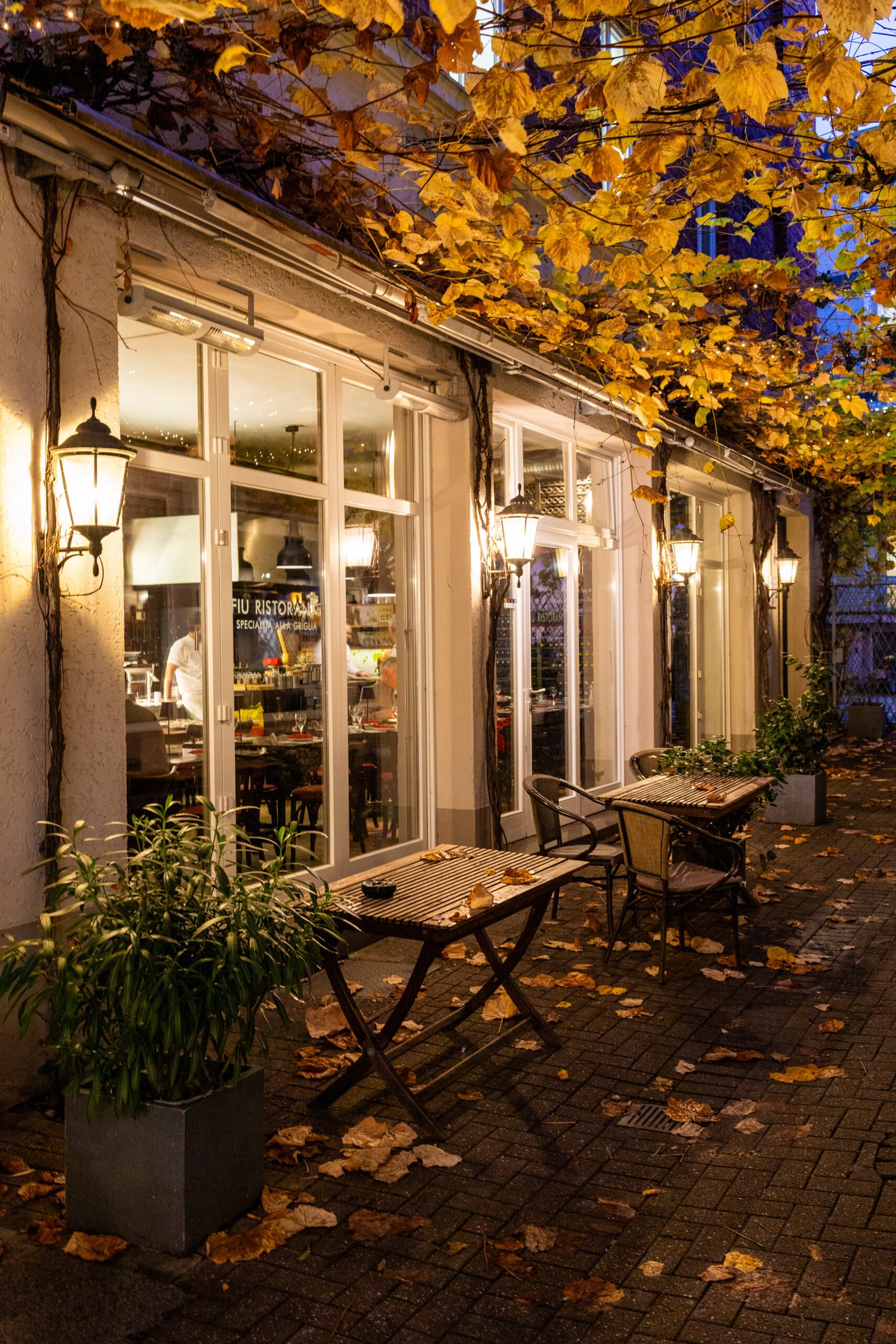
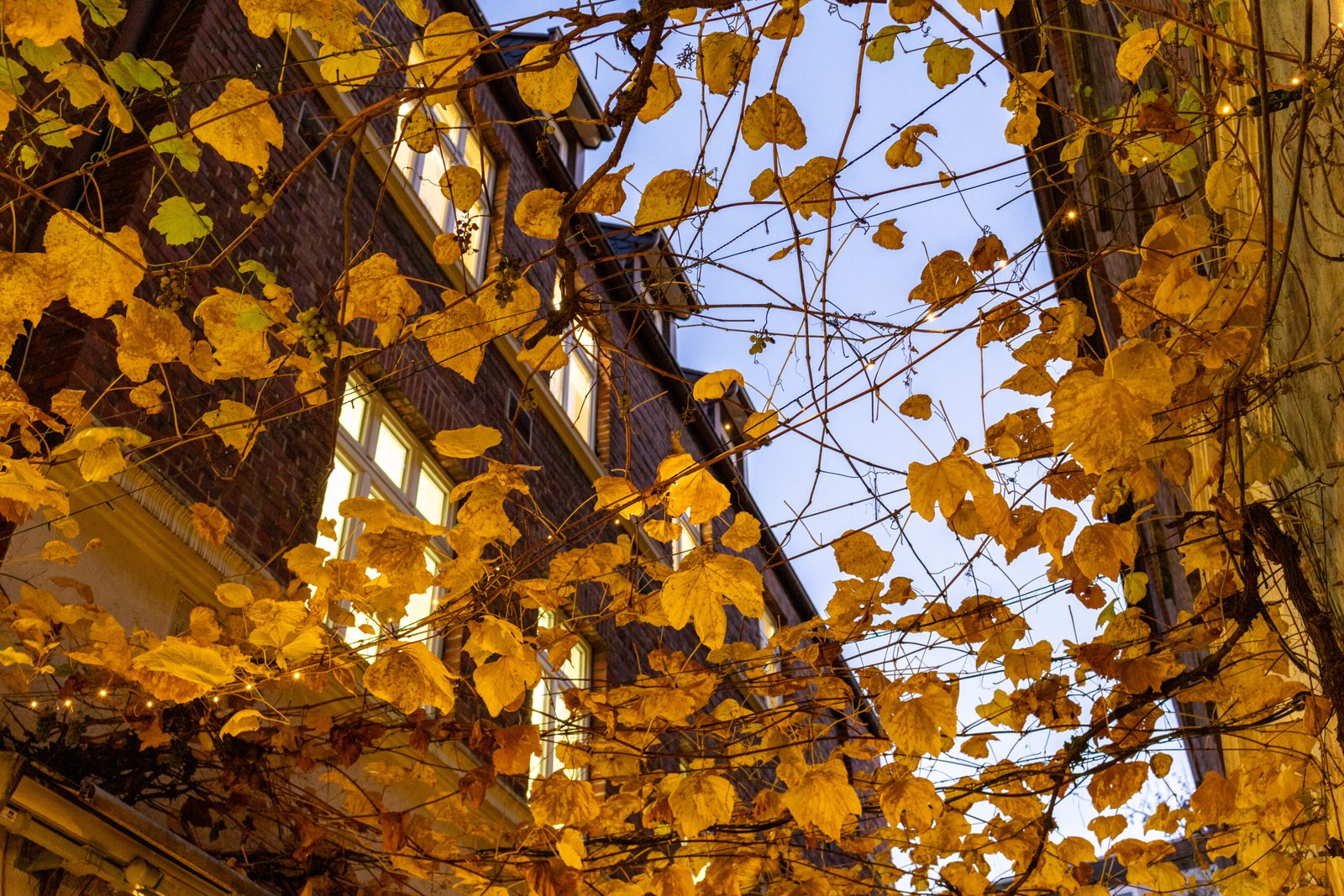
Tucked away in a charming, vine-covered side street near Rothenburg, Mocca d’or has been a beloved local institution since 1999. Spread over three inviting floors with cozy terraces, it’s the perfect spot to unwind after a festive day at Münster’s Christmas market.
Every antipasti, pasta, pizza, and dessert is lovingly made in-house — from fresh-baked focaccia to creamy tiramisù — bringing a true taste of Italy to the city’s winter magic.
Münster
Official parking
Yes - Parking Fees: First hour: €2.50 Each additional hour: €2.00 Maximum daily fee: €18.00
Allowed
Large Parking Garage
Opening hours:
Monday – Saturday: 07:00 – 24:00
Sunday & Public Holidays: 09:00 – 24:00
Vehicles up to 1.9 m in height are allowed.
There are 4 handicapped (accessible) parking spaces.
Have you found a mistake or do you have more information about a place? Message us via email feedback@retkee.com . We are grateful for every feedback.
Münster
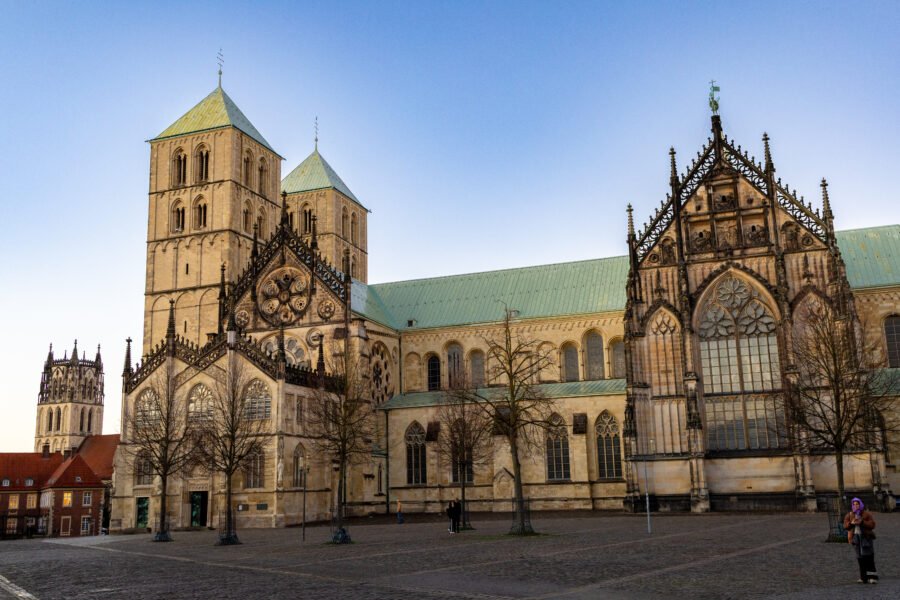
Dompl. 28, 48143 Münster
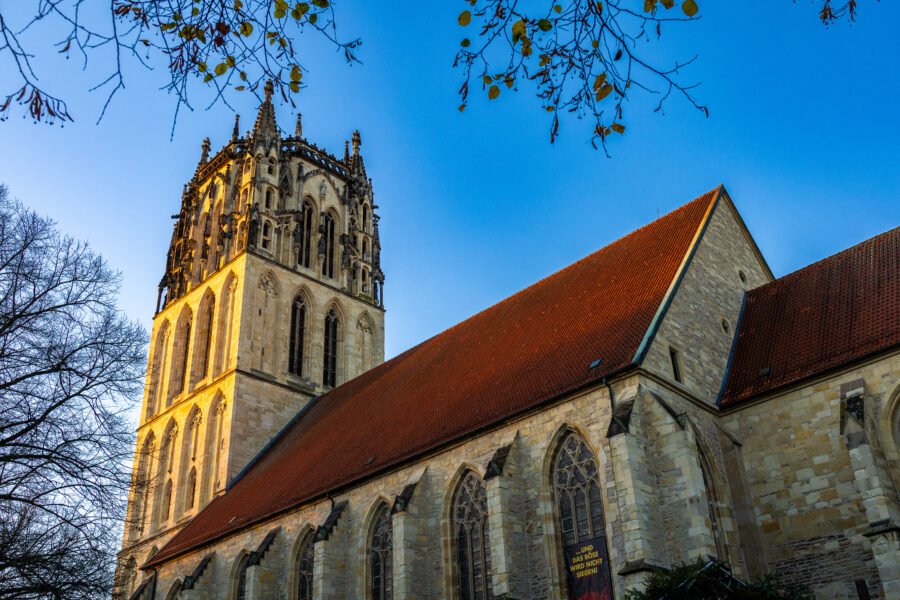
Münster
Rothenburg – A Street with a Great Vibe (Germany) je jedním z míst a tipů na výlety, které Retkee nabízí. V detailu místa jako je toto se dozvíte základní informace, jako otevírací doba, náročnost terénu či naše hodnocení místa. Kromě míst Retkee nabízí i blog , podrobné průvodce destinacemi , například Island , Norsko či Madeira .
Below you can set the language and currency.
