The Retkee app, with you on the go — rated



 Martin & Tina
•
06. 09. 2026
Martin & Tina
•
06. 09. 2026
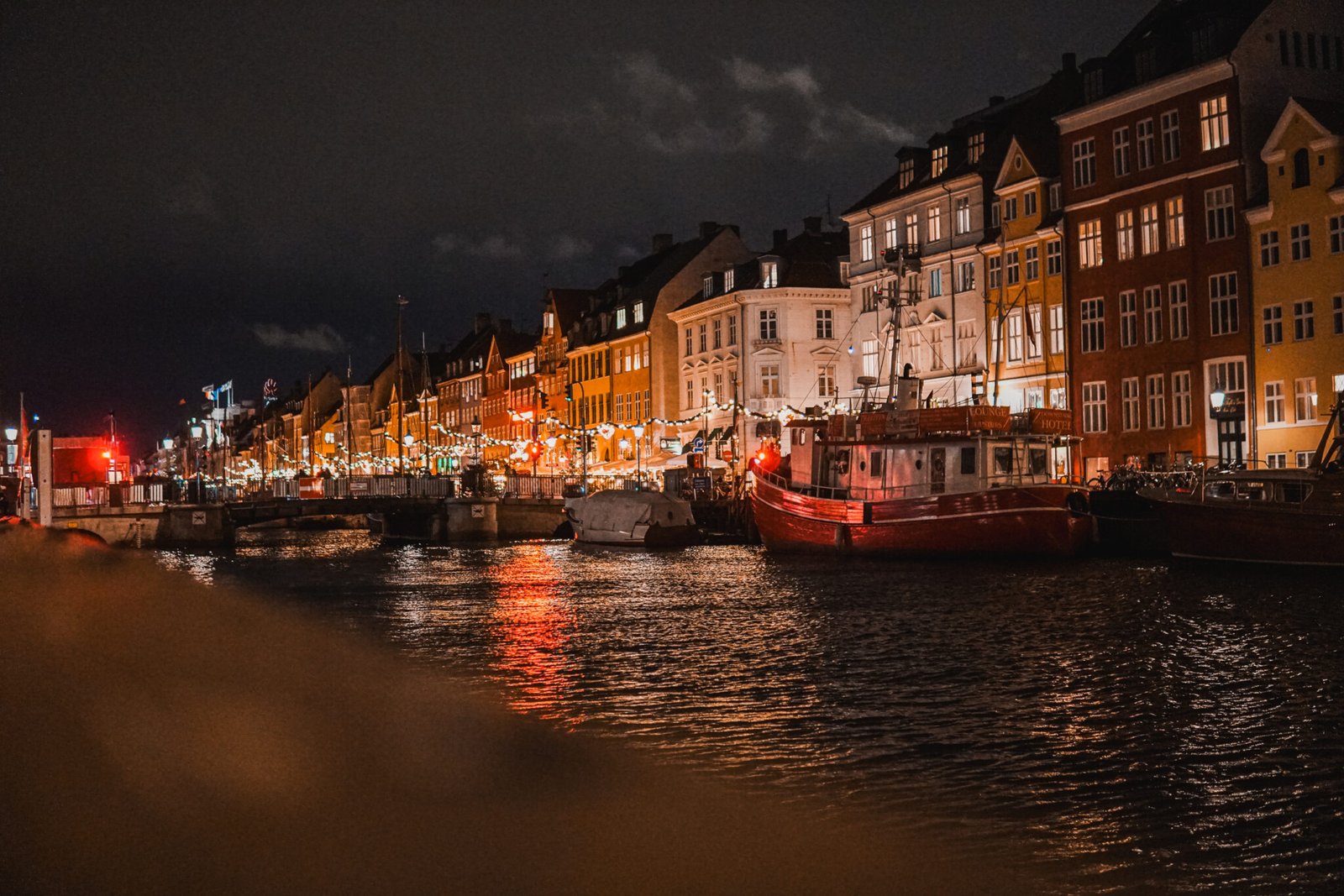
Copenhagen in the summer is beautiful, but it’s also expensive, crowded with cruise ship tourists, and you’ll be waiting for a free table in every cafe. We’ve grown fond of the autumn version. The canals reflect differently in the autumn light, parks change colors, accommodation prices drop by a third, and you can actually sit down for a quiet coffee in Nyhavn on a Sunday morning. Plus, there’s the authentic Scandinavian hygge season, which the shops, cafes, and museums are actually built for.
In this article, we’ll show you why it’s worth visiting Copenhagen in the autumn, how to get there cheaply, where to stay in the center, and what to do over the weekend.
Why go to Copenhagen in the autumn
A few specific reasons why autumn in Copenhagen is a better choice than summer:
- Prices for accommodation and flights drop. From mid-September until November (excluding Christmas), accommodation in Copenhagen is roughly 30% cheaper than during the peak summer season. Copenhagen is one of the more expensive European capitals, so this difference is noticeable.
- Walking weather. In September and October, temperatures in Copenhagen stay between 10–17 °C, ideal for walking all day. In November, it’s cooler (5–10 °C), but still not freezing. A jacket and comfortable shoes are enough.
- Fewer crowds. Nyhavn in August is photogenic, but it’s hard to walk along its promenade in peace. In November, you have room to breathe, and on Sunday mornings, you practically have it to yourself. The same goes for Rundetaarn, Amalienborg, or Frederiksborg.
- Hygge season, which Copenhagen is built for. Danes have the concept of hygge, which is usually translated into English as “cosiness.” In practice, it’s candles in every cafe, long breakfasts, warm cinnamon rolls, saunas with a harbor view, and cafes where you sit for three hours with a book. Summer in Copenhagen is nice, but hygge is definitely an autumn and winter experience.
- Christmas Tivoli from mid-November. The famous Tivoli Gardens open their Christmas version around November 15th and are one of the best advent destinations in Europe. If you’re planning a trip at the turn of November and December, this is a bonus that has no summer alternative.
How to get to Copenhagen
Copenhagen is well-connected across Europe, with direct flights from most major cities served by both legacy carriers (SAS, Lufthansa, KLM, Finnair) and low-cost airlines (Ryanair, Norwegian, easyJet, Wizz Air). Round-trip fares in the autumn months typically range from €50 to €150 depending on origin, and flight times from Central and Western Europe are between 1 and 3 hours. This makes Copenhagen realistic for a Friday-to-Sunday weekend even from further origins. Travelers from North America can reach Copenhagen via direct seasonal flights from major East Coast hubs, or through one-stop connections via Frankfurt, Amsterdam, London, or Reykjavik.
An often-overlooked alternative is flying from a secondary European hub. Scandinavian destinations tend to be cheaper from airports like Vienna, Milan, Warsaw, or Budapest than from primary hubs, with more low-cost options and better shoulder-season deals. If your travel dates are flexible, comparing multiple departure airports at once can save significantly.
From the airport to the center. Copenhagen’s Kastrup Airport lies directly on the metro line, which reaches the main station (Kobenhavn H) or the center (Kongens Nytorv, right next to Nyhavn) in 15 minutes. A one-way ticket costs around 40 DKK and the metro runs 24 hours a day. A taxi from the airport costs roughly 350 DKK, so it’s not necessary for a classic tourist stay.
Where to stay in Copenhagen
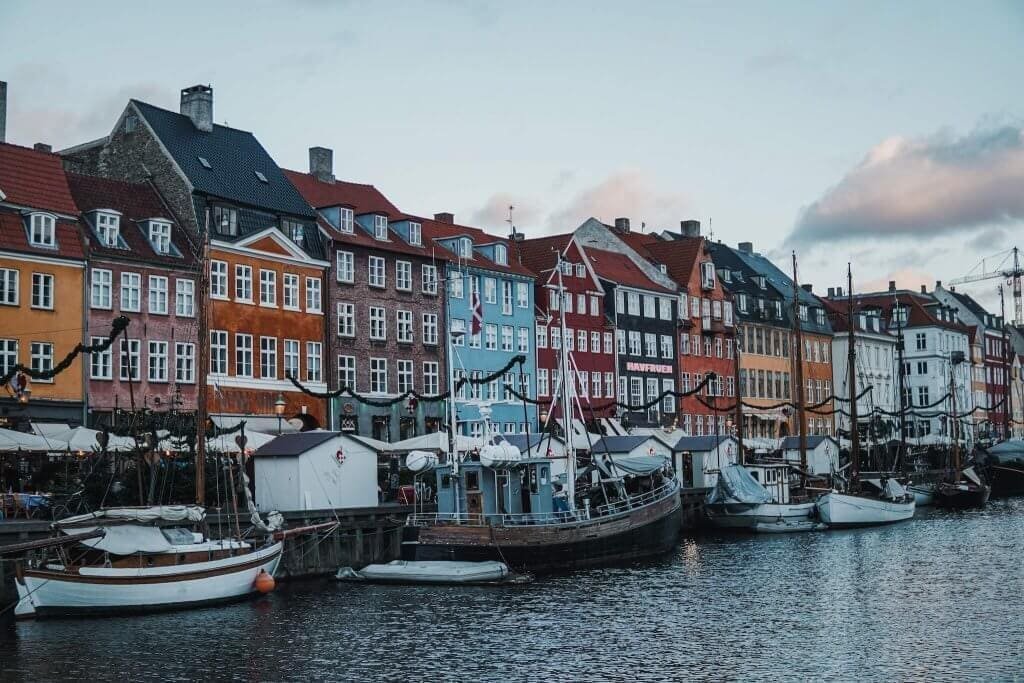
Copenhagen is a compact city and the main attractions can basically all be reached on foot. That’s why we definitely recommend staying in the center, specifically in the area around Nyhavn. You’ll save a lot of time on transport and have the best of Copenhagen’s gastronomy and architecture nearby.
On our autumn trip, we stayed at the Copenhagen Admiral Hotel, which is right by the water in a historic 18th-century former warehouse building. We even got a free upgrade at the hotel and had a spacious room with a harbor view – what more could you ask for.
From the hotel, it’s a few minutes’ walk to Nyhavn, Amalienborg (the royal palace), the Kastellet fortress, and Christiansborg Palace. A perfect starting point for a weekend visit when you don’t want to waste time commuting.
Why the center and why Nyhavn. Besides the proximity to attractions, Copenhagen’s center is great thanks to its dense network of cafes, bakeries, and restaurants. You can have breakfast around the corner, find good cinnamon rolls in a bakery near Christiansborg, and go for a great dinner at one of the canal-side restaurants in the evening. In the Nyhavn area, you’re simply in the heart of the action and don’t need a bike or the metro for every move.
If you want to compare more options in the center, check out the hotel deals on Booking.com.
Alternative areas (if the center is full or expensive)
- Vesterbro — a hipster district west of the main station, with good restaurants, cafes, and slightly lower prices. 10–15 minutes to the center on foot or 3 minutes by metro.
- Nørrebro — a multicultural district north of the center, popular with younger travelers. Prices are usually the lowest of those listed.
- Frederiksberg — a quieter residential area with a park and zoo, suitable for families with children.
In all three areas, you’ll find a decent selection of accommodation on Booking.com.
What to do in Copenhagen in a weekend
Copenhagen’s center can easily be covered on foot in two days. If you have a full weekend (three days), you also have time for a museum or a trip outside the center. Key places you shouldn’t miss:
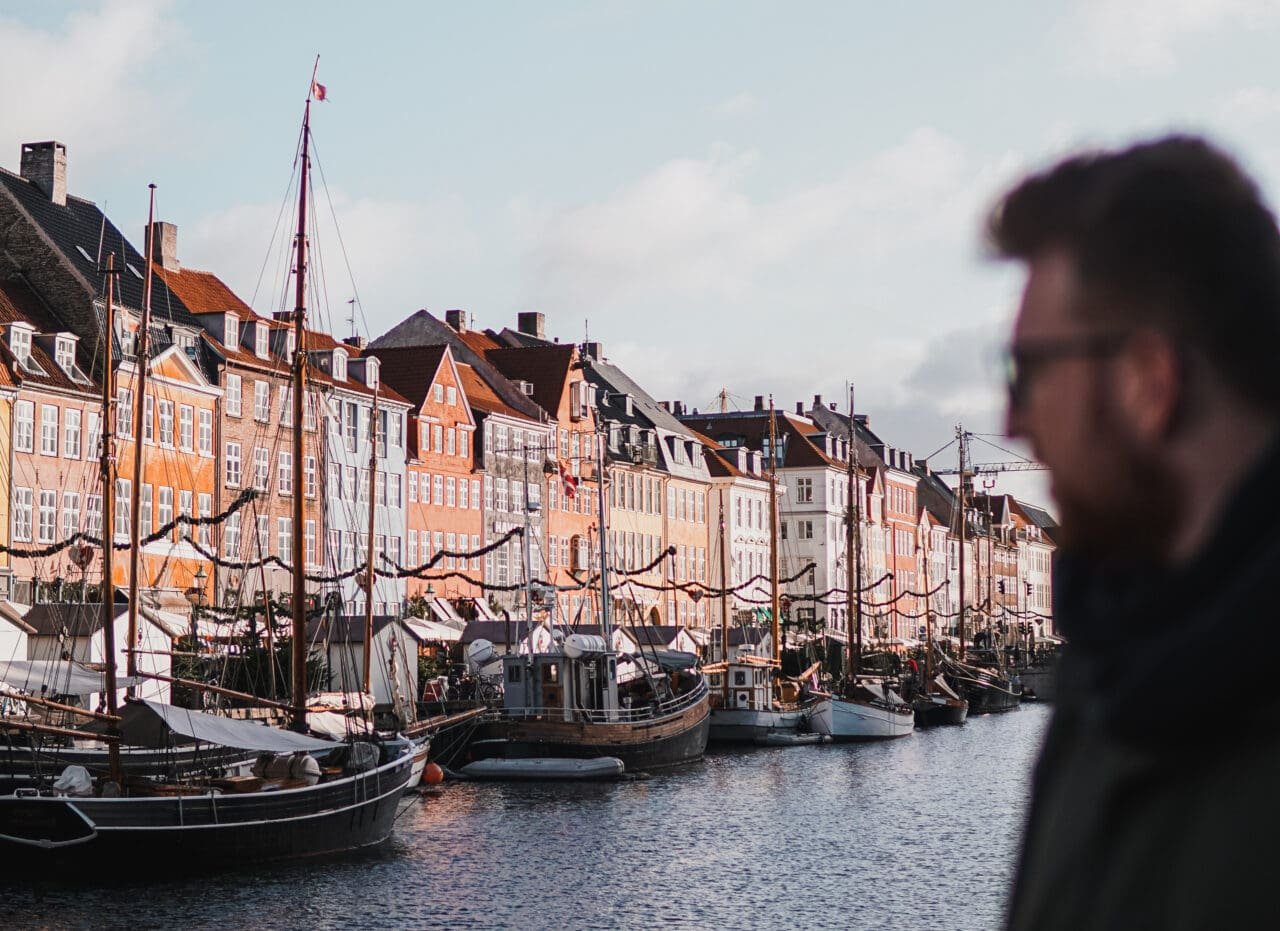
- Nyhavn – The colorful houses along the canal, Copenhagen’s most photographed spot. It’s best early in the morning (before nine) or at dusk, when the crowds are gone and the light is beautiful.
- Rundetaarn – A 17th-century circular tower with a view of the city. Instead of stairs, it has an ascending ramp that takes you all the way to the top.
- Amalienborg – The royal palace with the changing of the guard every day at 12:00.
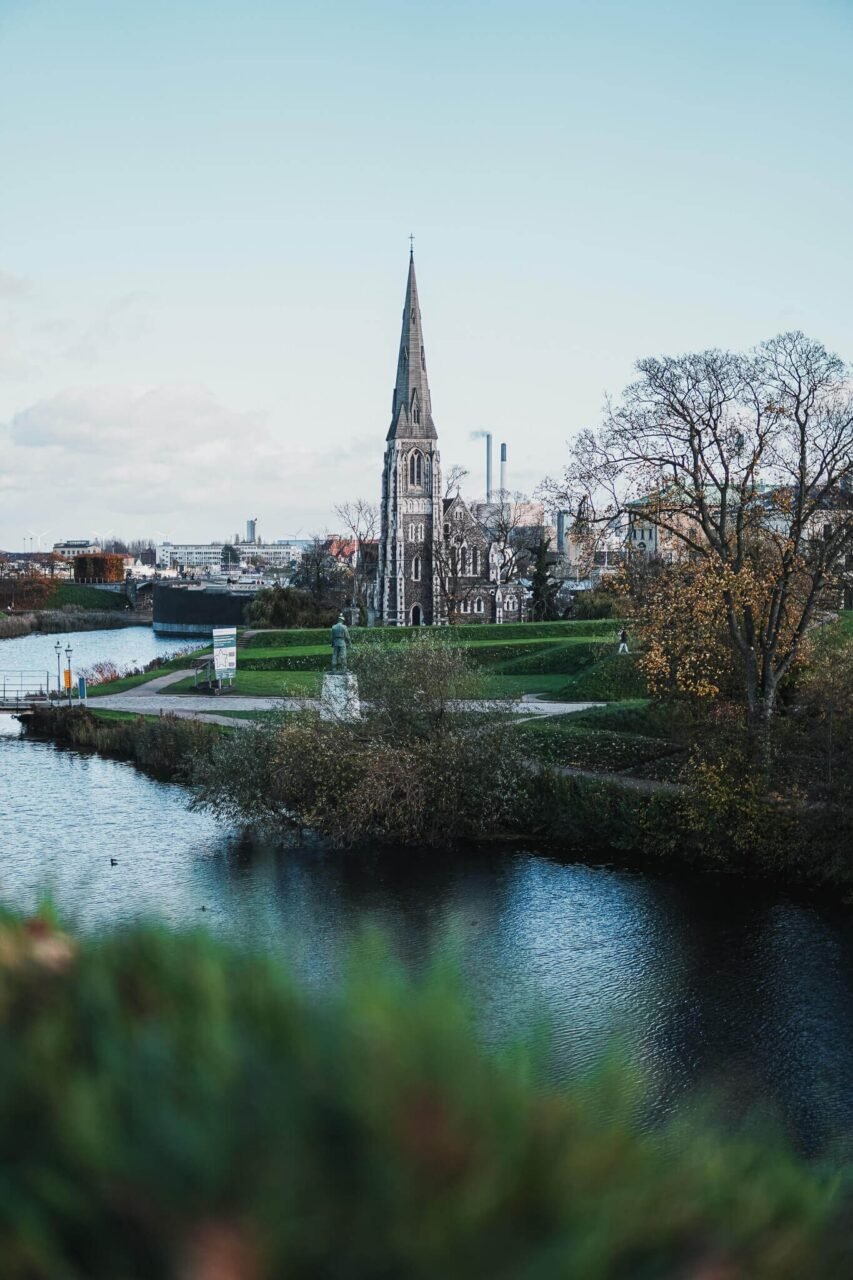
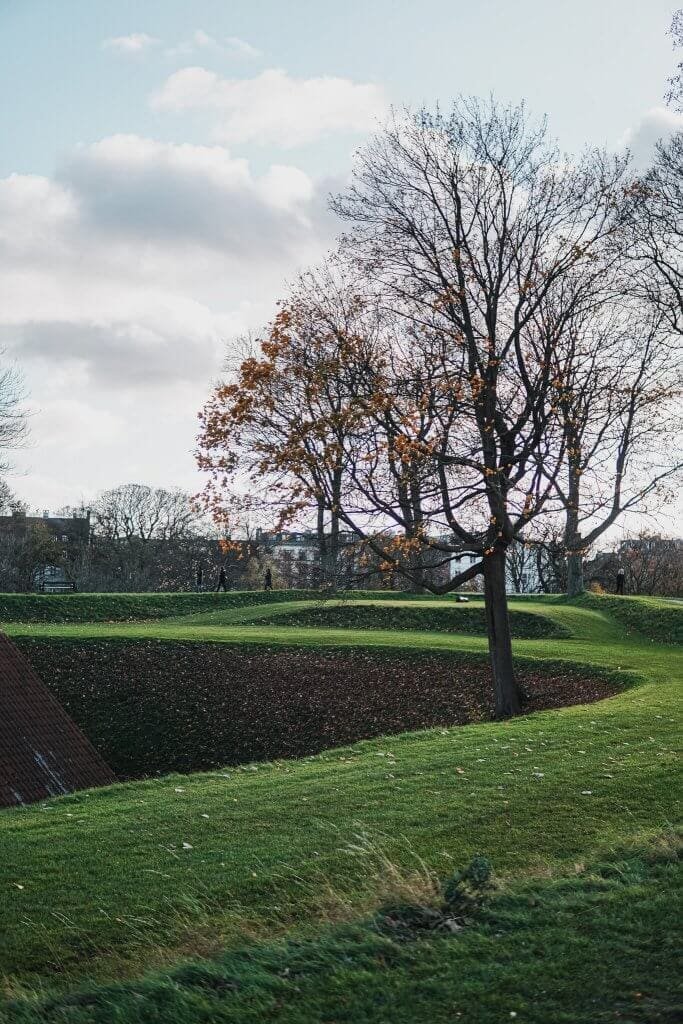
- Kastellet – A star-shaped fortress with a park and the Little Mermaid within reach.
- Christiansborg – The palace that houses the Danish parliament. The viewing tower is free and offers one of the best views of the city.
You can find a complete three-day plan with times, exact stops, and our restaurant recommendations in our Copenhagen itinerary, which we put together exactly according to our autumn trip.
Copenhagen Calling: A Long Weekend Getaway
Show guide
Practical tips for an autumn weekend
Before you go, a few practical things:
- Getting around the city. Copenhagen is a cycling city and renting a bike (Donkey Republic, bike rentals at hotels) is the fastest way to get around. In autumn, however, it’s a gamble with the weather, so the second choice is the metro (Zone 1 costs 24 DKK per ride) or walking.
- Copenhagen Card. If you plan to visit several museums, the card is worth it. It includes public transport and entry to most attractions (including Rundetaarn, Christiansborg, Tivoli).
- Food prices. Copenhagen is an expensive city. Breakfast in a cafe costs 100–150 DKK, dinner in a regular restaurant 250–400 DKK. If you want to save, look for bakeries and food halls (Reffen, Torvehallerne).
- What to pack. A waterproof jacket (it rains anytime in Copenhagen), comfortable shoes for cobblestones, a warmer hoodie for evenings by the water, and a scarf. Gloves from November onwards.
- Payment. Copenhagen is almost completely cashless. Cards work everywhere, including stalls, taxis, and the metro. You’ll practically not need cash.
Need an even more detailed plan? We have a ready-made itinerary for you
This article covers the basics, but if you want a plan laid out day by day with specific times, restaurants, and micro-tips from our autumn visit, check out our three-day Copenhagen itinerary. You’ll find a map of all the stops, recommendations on when to go where to avoid the crowds, and personal tips for restaurants and cafes.