


Rome
🌺 Spring planning: 20% off all itineraries with code SPRING20
🌺 Spring planning: 20% off all itineraries with code SPRING20


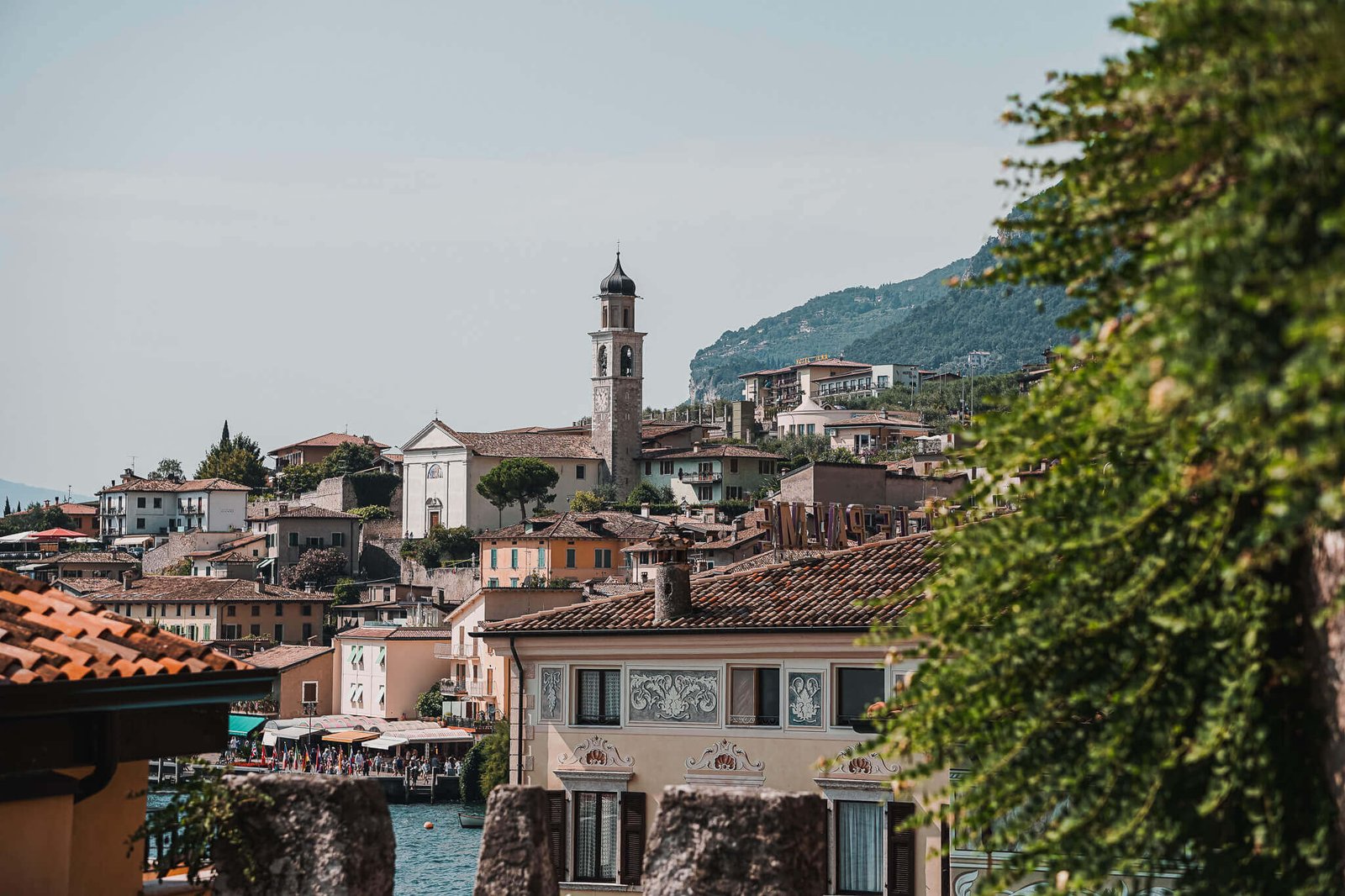
Italy is a traveller's paradise, combining a wealth of history, culture, culinary delights and breathtaking landscapes. Cities like Rome, Florence and Venice are treasure troves of art and architecture. Nature lovers will find themselves in the Alps in the north or on the Amalfi Coast in the south, where stunning views and plenty of hiking opportunities await.
Explore the country
 13°C
13°C The best time to visit Italy is from spring to autumn (April to October), when the weather is pleasant, the attractions are open and the outdoor activities can be enjoyed. In winter, Italy offers countless opportunities for skiing.
Italy is a traveller’s dream. It offers a variety of options and experiences for every traveller. The best time to visit is from spring to autumn (April to October), when the weather is pleasant and allows exploration of the cities, sights and natural beauty. You can immerse yourself in the history of Rome with its Colosseum and Vatican City, explore the romantic streets of Venice, admire the art at the Uffizi Gallery in Florence, or stroll through the vineyards and towns of Tuscany. Ski the beautiful snow-capped peaks with breaks on the Bombardino, or enjoy great Italian pizza around every corner.
Italy can be moderately to very expensive. Especially in popular tourist areas. However, there are ways to save. There are cheap accommodation options such as hostels and apartments, you can use local markets to buy fresh food and so on. Overall, Italy is affordable for all travelers. Whether with have a smaller or larger budget.
 Veronika Pololáníková
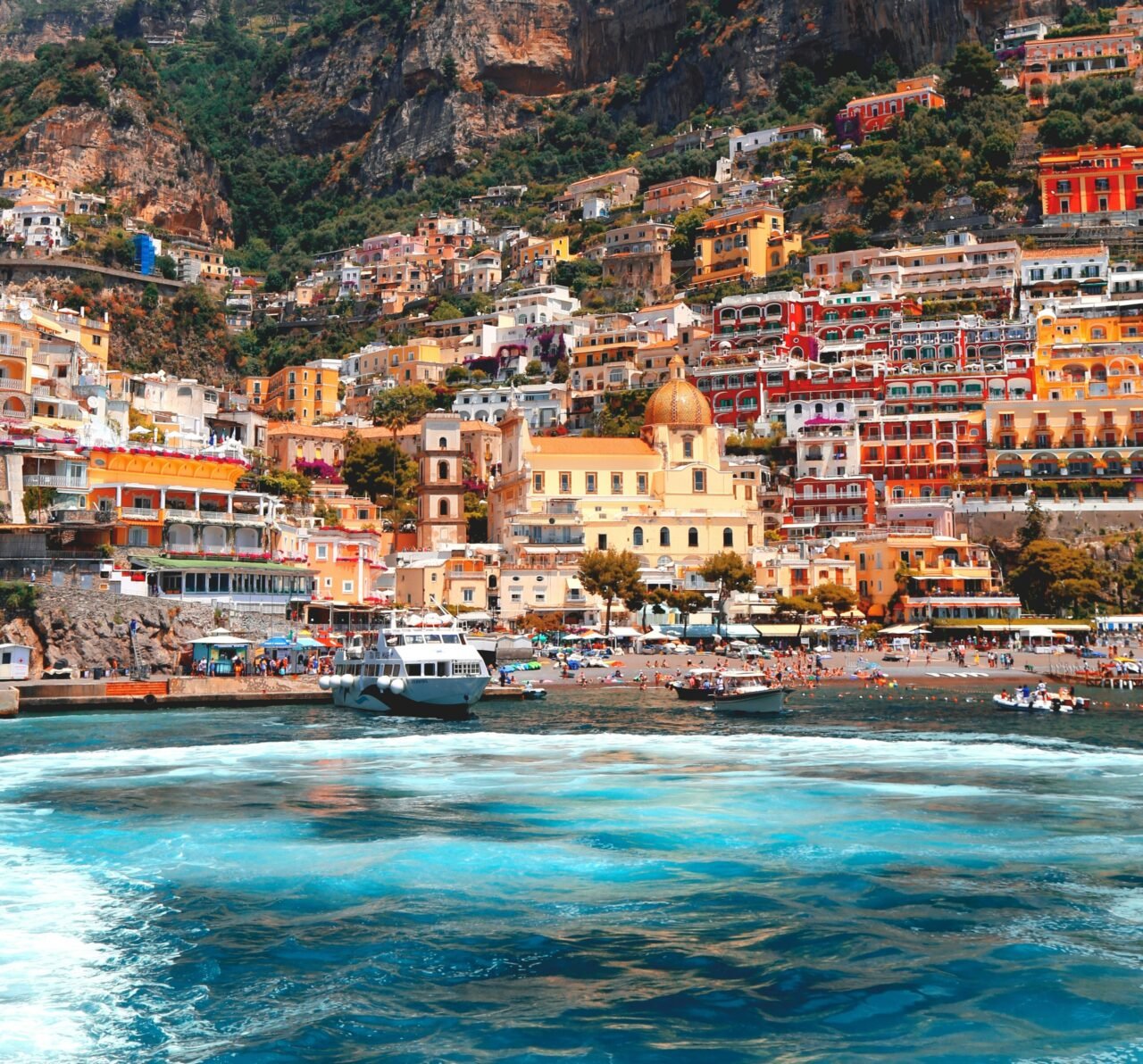
The itinerary will guide you through Naples and its unique flavours. One of the most beautiful hikes on the Amalfi Coast, the Path of the Gods, awaits you. Take a boat ride to the island of Procida and enjoy relaxing on the beaches.
5 days
Public transport
High pace
Year-round
 Veronika Pololáníková
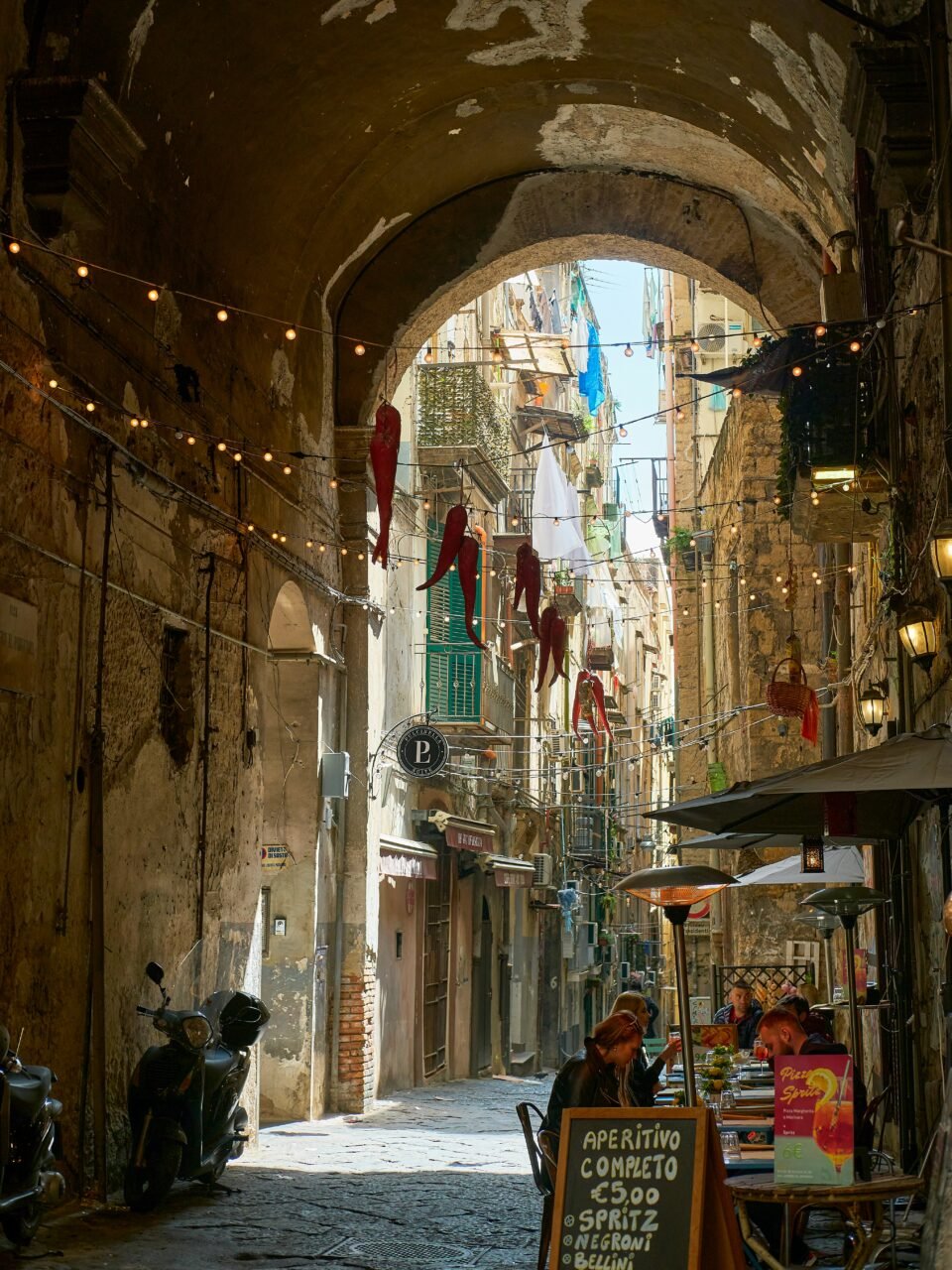
The itinerary will guide you through Naples through sights and tastes - from authentic pizza and sfogliatella to other local specialities. An unforgettable mix of history, atmosphere and gastronomy awaits you.
4 days
On foot
Medium pace
Year-round
 Veronika Pololáníková
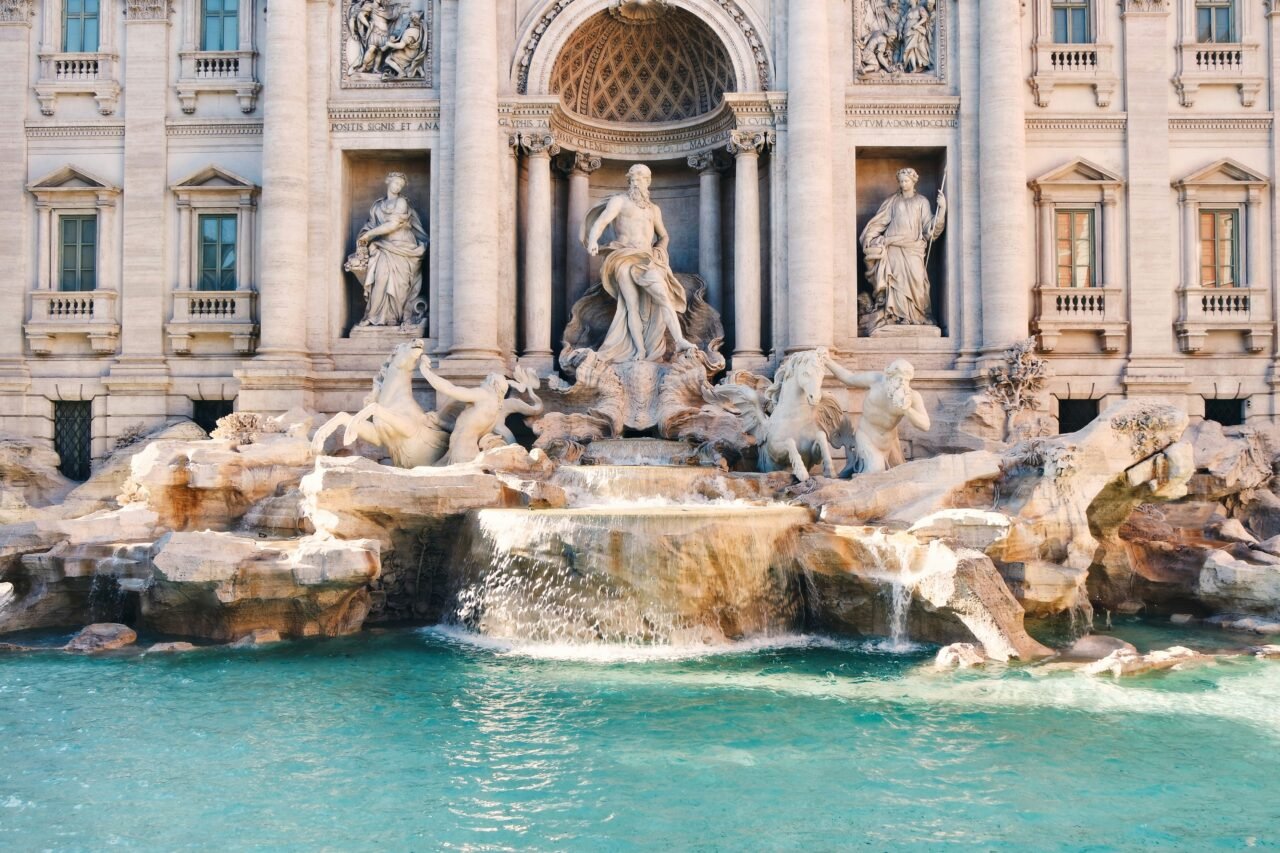
The itinerary combines famous sights, quiet corners and great gastronomic experiences. Each day is designed to allow you to comfortably discover the city, its atmosphere and its flavours.
4 days
On foot
Medium pace
Year-round

 Barbora Franková
Do you want to enjoy great skiing, the atmosphere of picturesque mountain villages and you love good food? Alta Badia in South Tyrol is the right resort for you.
6 days
By car
High pace
Winter
 Martin & Tina
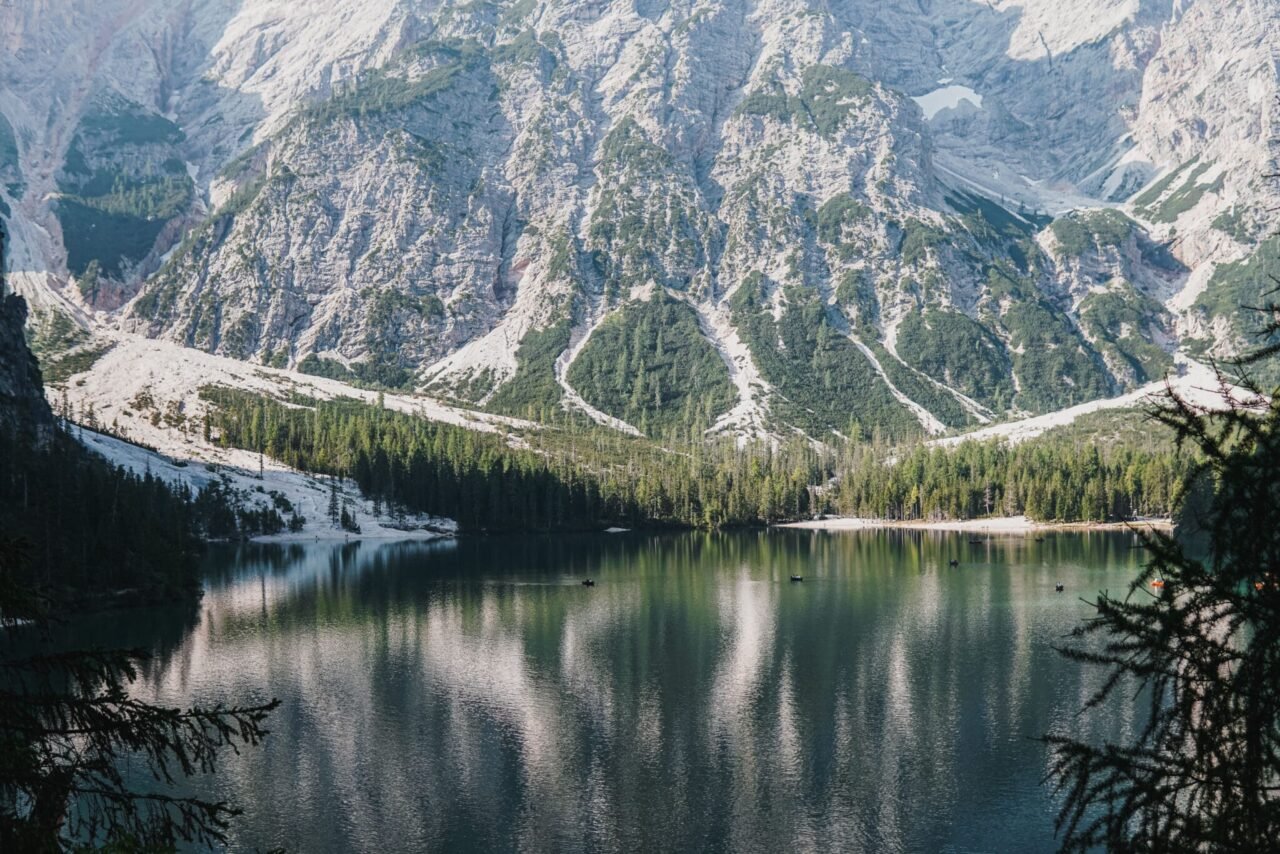
Discover the most beautiful lakes and peaks of the Italian Dolomites. You can do it all in a long weekend.
3 days
By car
Medium pace
Spring - autumn
 Marty the Van
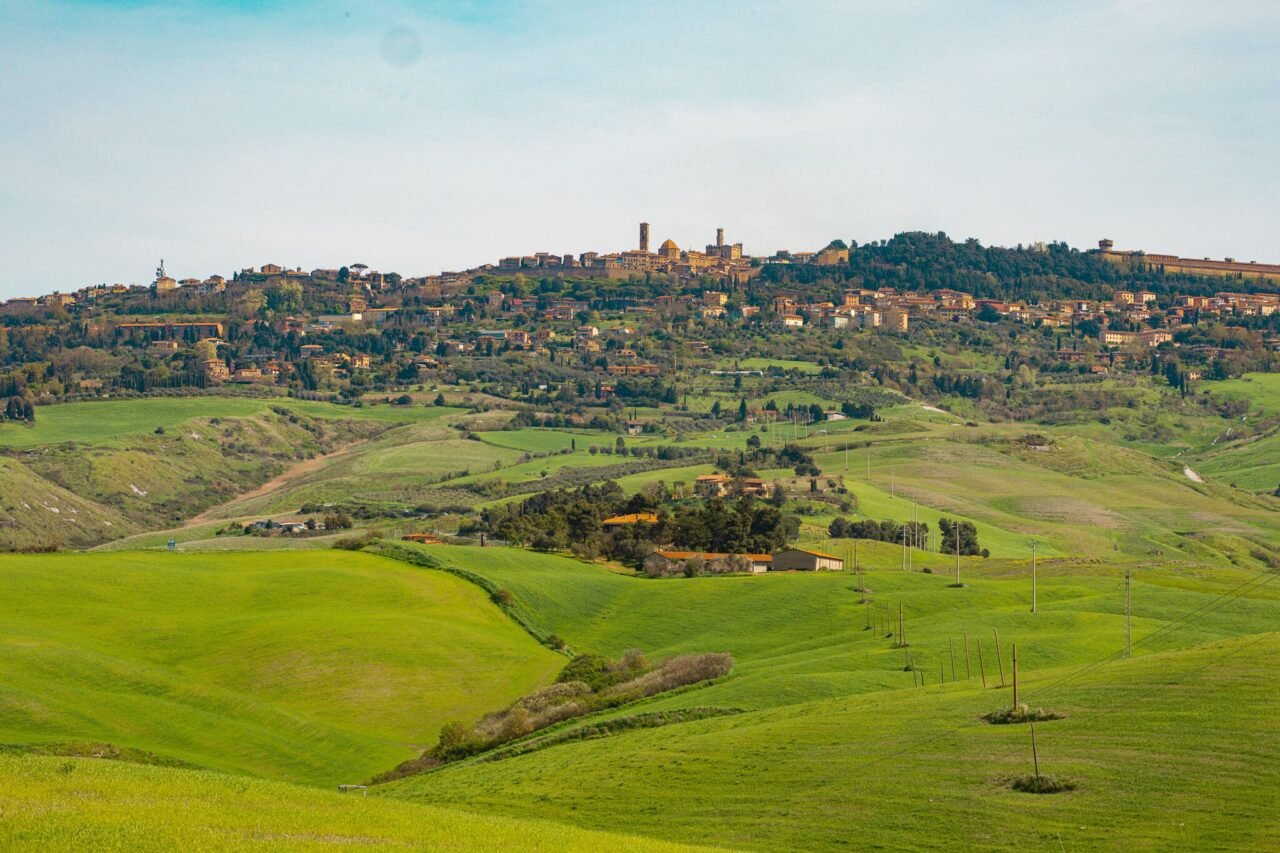
This unforgettable journey through Northern Italy and Tuscany combines tips for comfortable camping, visits to iconic Tuscan towns and wine tasting in beautiful agricamps.
9 days
Campervan
High pace
Spring - autumn
 Marty the Van
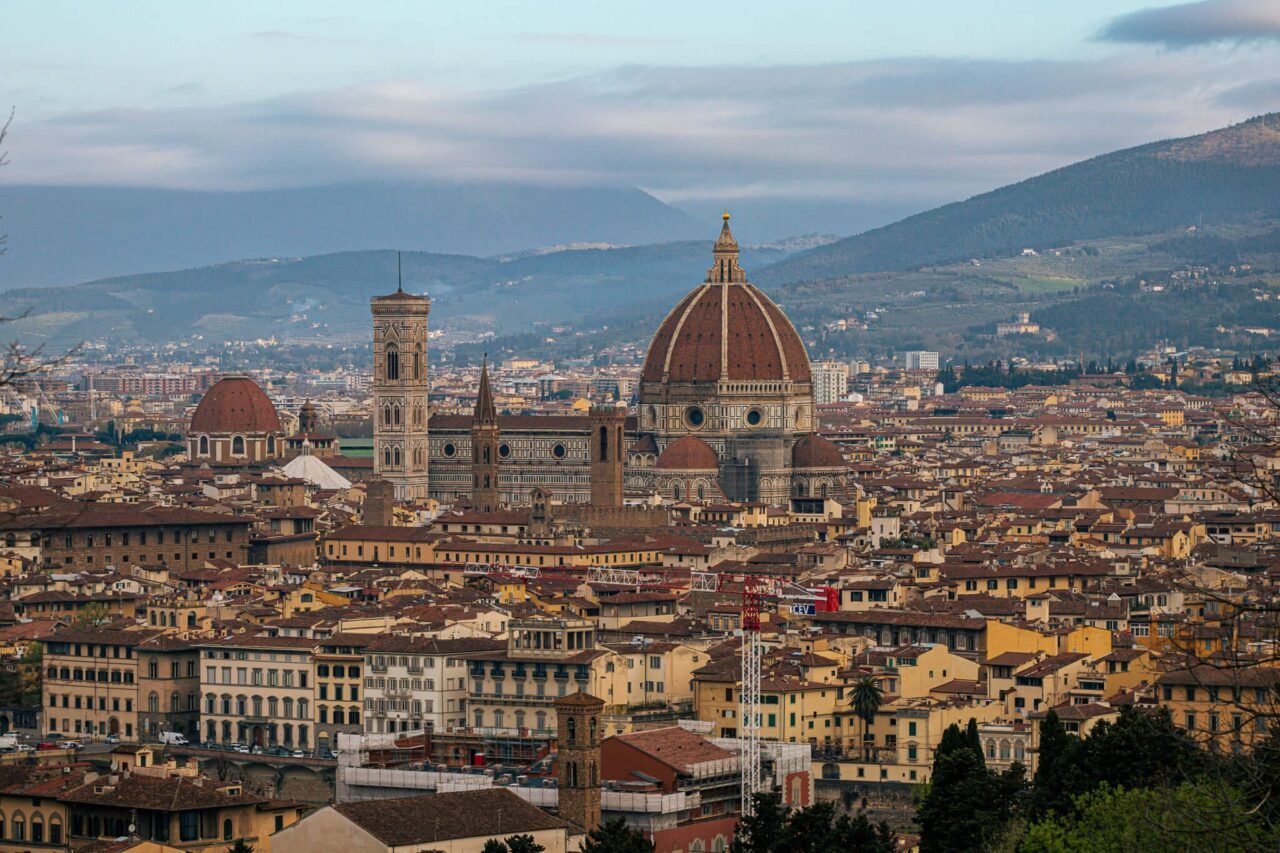
This one-day itinerary will take you through the best of Florence. You're in for an unforgettable day of good food and a huge dose of culture.
One-day
On foot
Medium pace
Year-round
Unlocked
 Martin & Tina
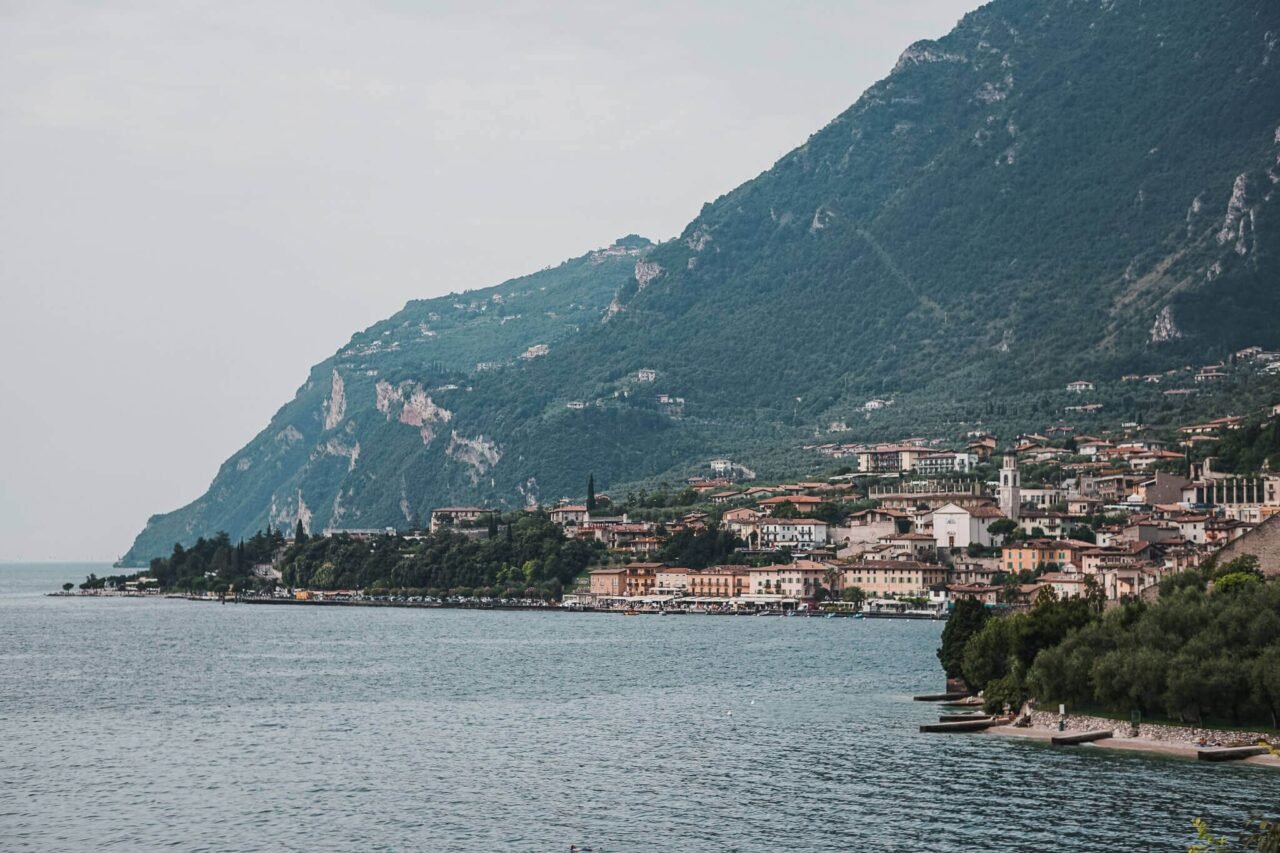
On a busy week-long journey through northern Italy, we'll explore Lago di Garda, Venice, Verona and stop for 3 days in the Dolomites on the way back.
7 days
By car
Medium pace
Spring - autumn

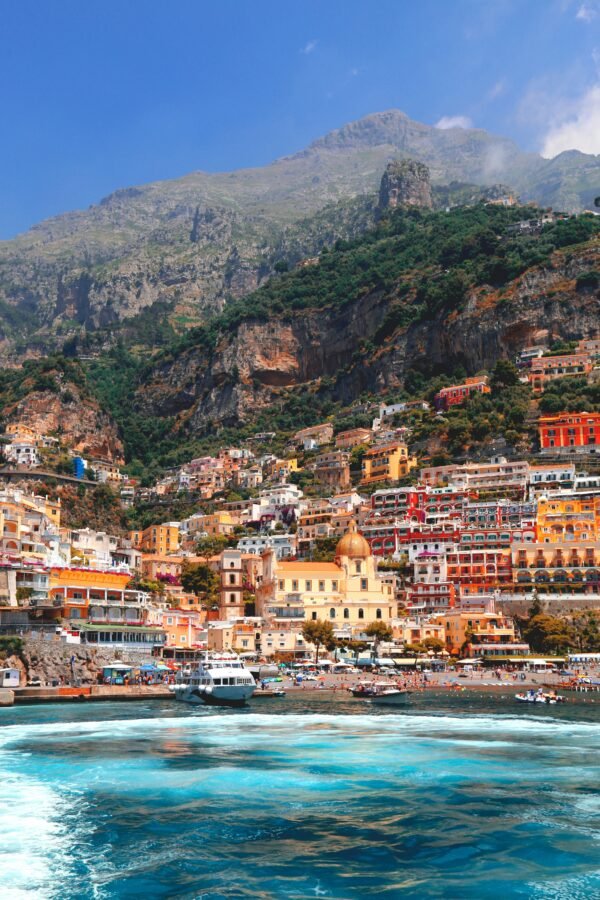
Province of Salerno, Italy
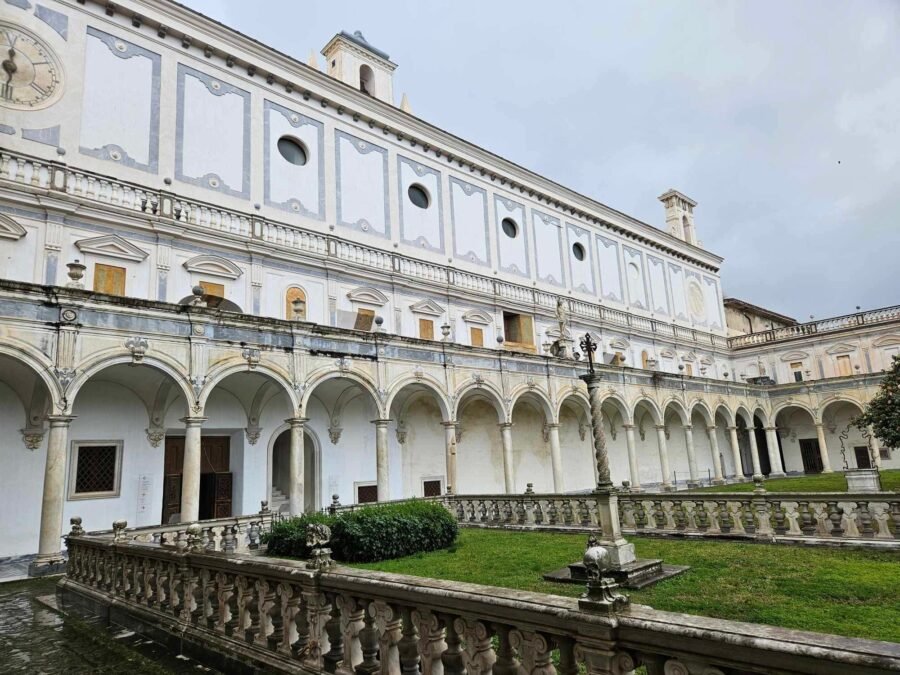
Naples, Italy
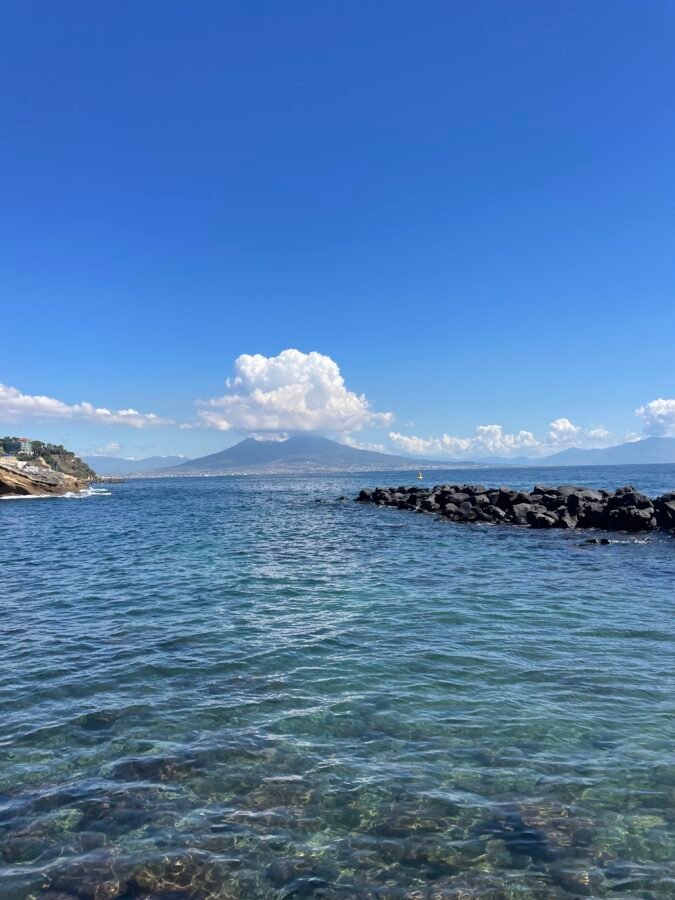
Naples, Italy
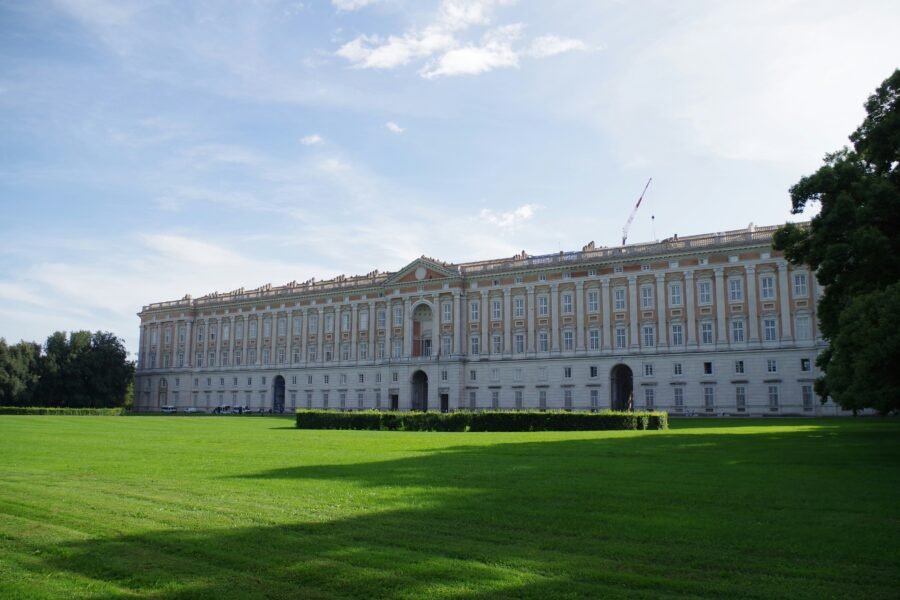
Province of Caserta, Italy
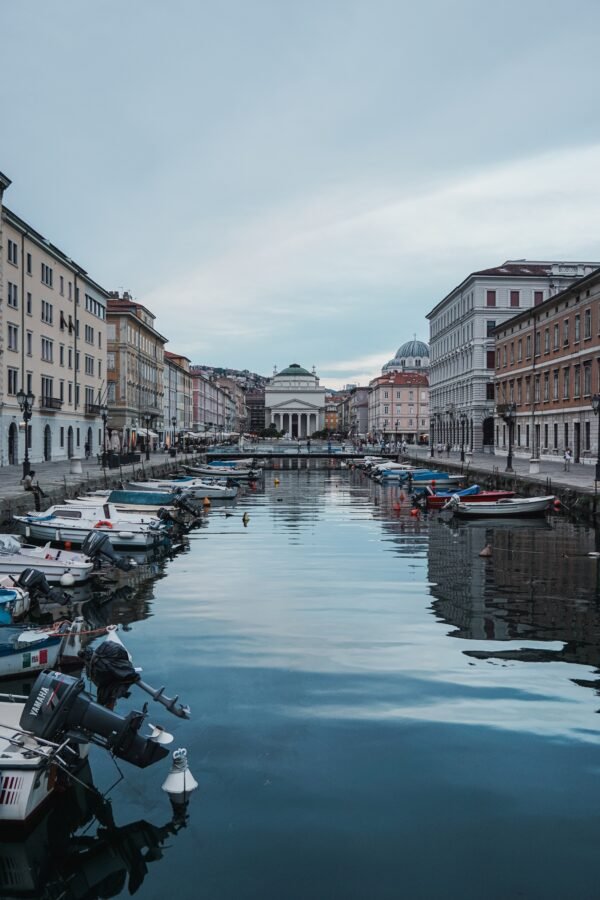
Trieste
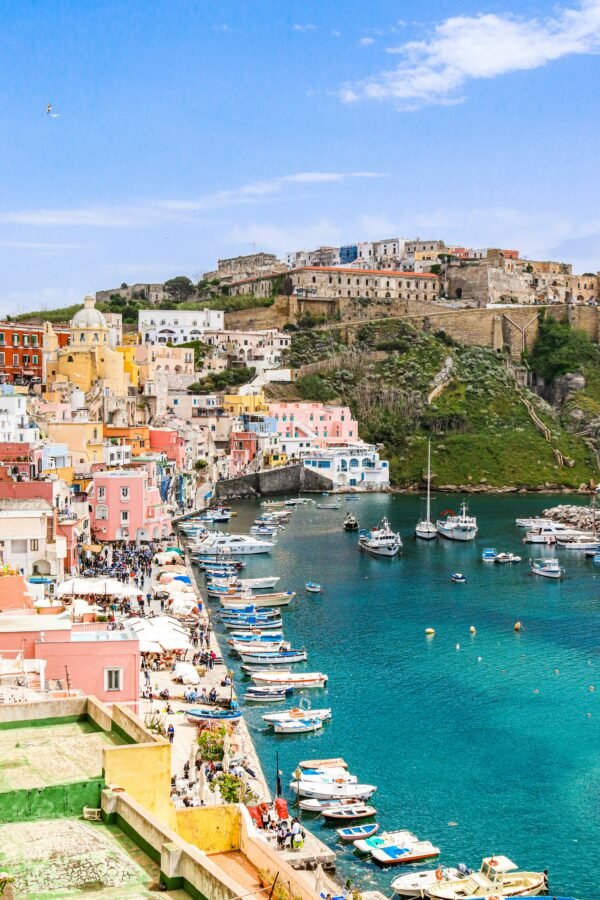
Naples, Italy
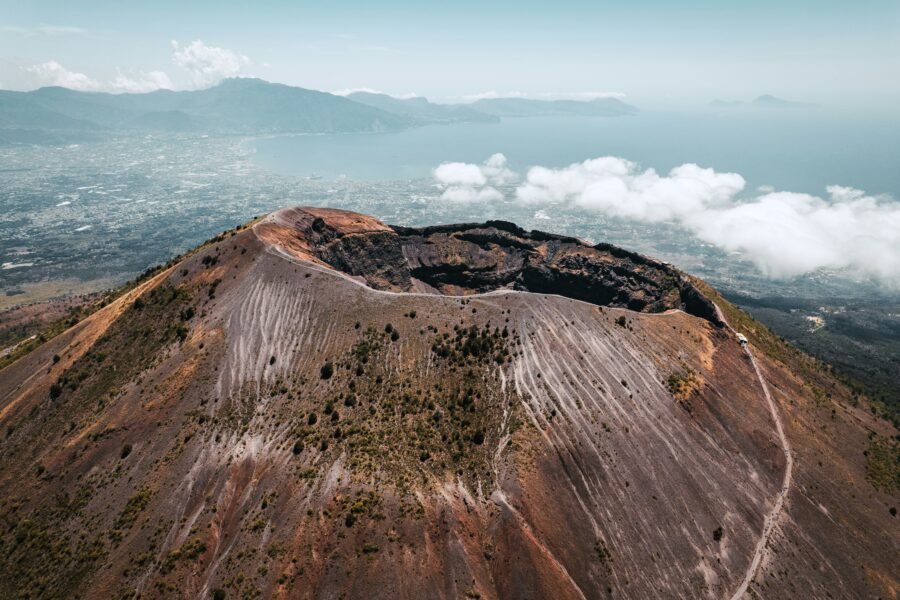
Naples, Italy
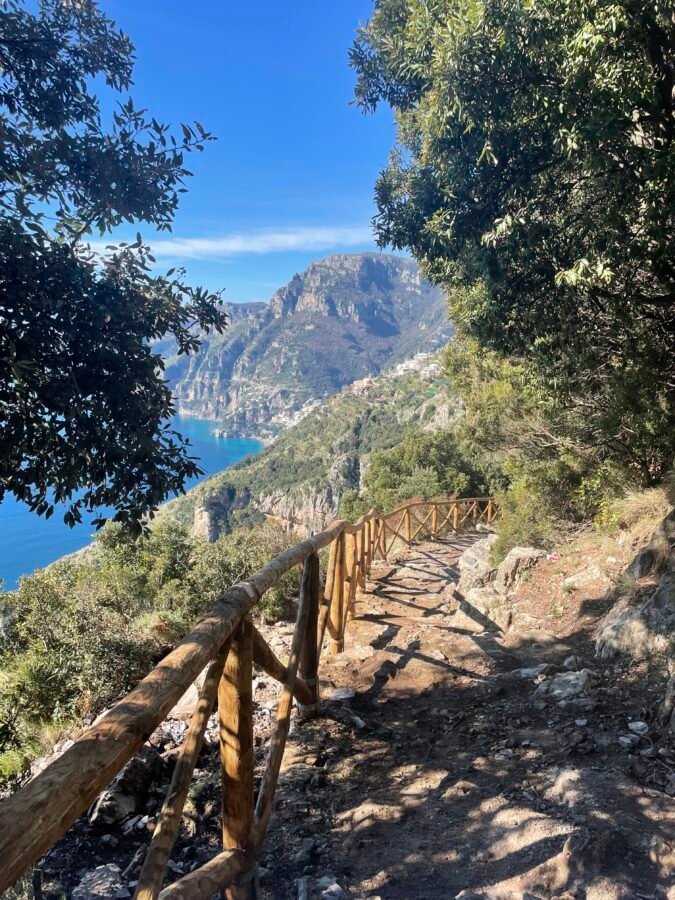
Province of Salerno, Italy

Molveno, Trentino
The best time to visit Italy varies depending on personal preference, but generally spring (April to June) and autumn (September to late October) are recommended. During these periods, the weather tends to be pleasantly warm and sunny, making it ideal for sightseeing and outdoor activities without having to face the extreme summer heat or winter cold.
It’s not just a matter of when, but also where. Italy is unique in that it boasts high mountains with the best ski resorts, but also beautiful islands with azure seas and pleasant temperatures, even in winter.
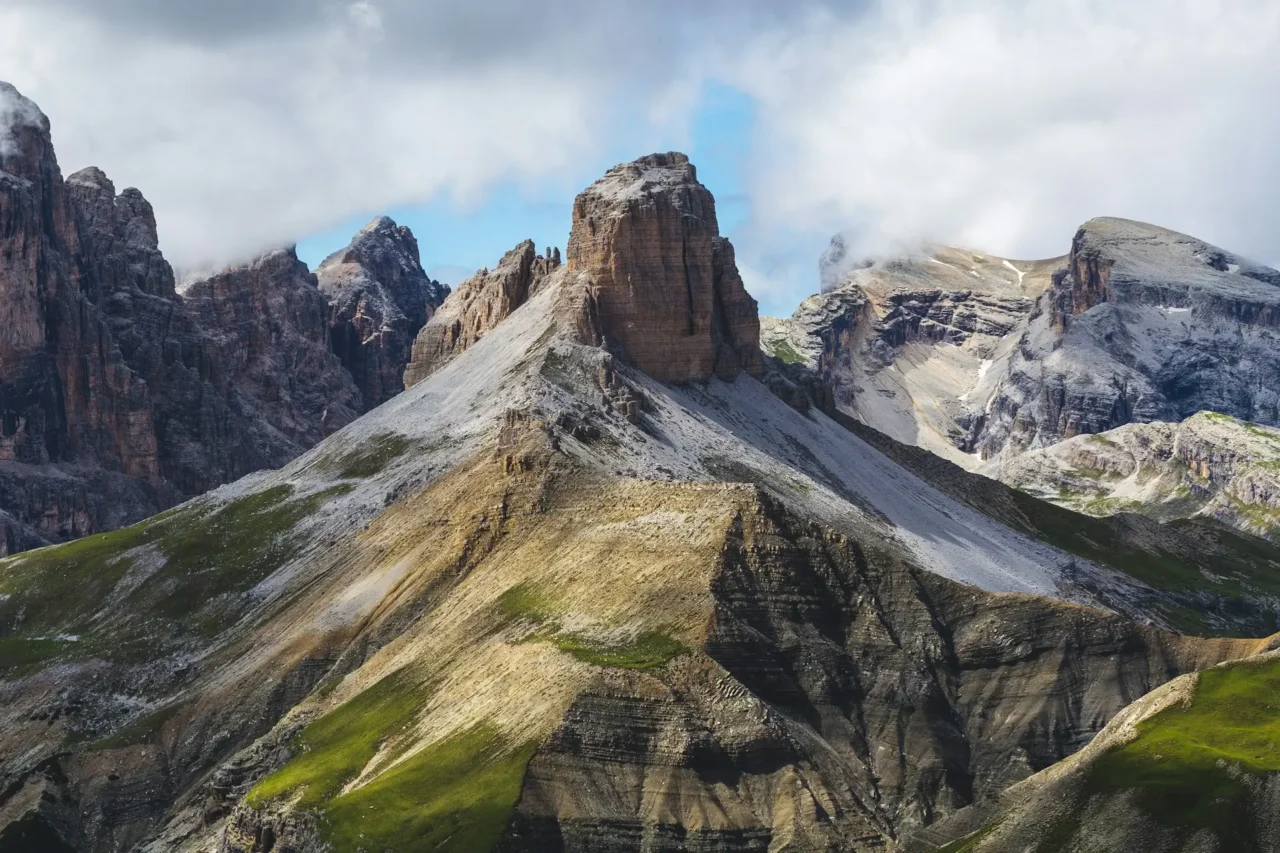
So if you’re looking to ski or try other winter sports, the Dolomites are definitely your destination in Italy. The ski season typically runs from early December to early April, when there is plenty of natural snow.
If you’re considering coastal destinations, late summer is still a good time, with warm weather suitable for visiting beaches and coastal towns. It’s also important to remember that July and August are generally very hot and coincide with the peak tourist season, which may not be pleasant for some travellers.
If you want to explore the countryside in pleasant weather with mild temperatures and want to avoid tourists, May, June, September and October are ideal. Plus, with the advantage of lower prices than during peak season.
Ultimately, the best time for your visit will also depend on your specific preferences, such as an interest in a quieter experience, sports, or the opportunity to attend local festivals and events.
Italy is one of the more expensive European destinations, but it is certainly not among the most expensive like Norway or other Nordic countries.
In Italy, average prices are higher than in the Czech Republic and you are expected to pay around 20% more.
The cost of living in Italy is generally higher than in the Czech Republic, which includes accommodation, food and transport. Food prices in supermarkets and markets are comparable to those in the Czech Republic, with fresh produce often cheaper in markets.
Expect higher prices, especially in popular tourist areas such as Venice. The cost of travel in Italy can vary considerably regionally.
In touristy areas such as Tuscany, Lombardy and Lazio, prices are higher due to high demand, while southern regions such as Apulia, Calabria and Sicily are more affordable. Urban areas are usually more expensive than rural areas.
Transport in Italy is well developed and offers many options for travel. Urban transport mostly involves trams and buses, with major cities such as Rome and Milan having extensive metro networks. Outside of urban transport, Italy is known for its trains, which offer a variety of services from regional services to high-speed trains such as the Frecciarossa, connecting major cities and regions. Current train connections can be found here.
In the more remote regions of Italy, such as smaller towns and villages, trains don’t run everywhere, so it’s necessary to use local bus services. There is a bus service to almost every village, but in more remote areas there may be limited services, especially at weekends and during school holidays. Bus stations in larger towns are usually located near the train stations, while in smaller areas buses arrive at the main square where tickets can be bought directly from the driver or at the bus station. In urban areas, bus fares are low, with prices around 1 euro, and in southern Italy prices can be even lower.
For a more authentic travel experience in Italy, many visitors rent scooters or ride bicycles, which is very popular in some regions. This is often the preferred mode of transport in smaller towns and rural areas where scenic landscapes and historic centres can be better explored. Hiring your own vehicle gives you the freedom to explore more remote and less touristy areas on your own. If you are visiting the Italian islands, we recommend renting a scooter. But only the most adventurous will go to Palermo!
The length of time needed to explore Italy varies depending on what you wish to see. For exploring major cities like Rome, Milan and Florence, a few days over a long weekend, for example, may be enough.
You should allow up to two weeks to explore the country in depth, including rural areas.
Visiting a specific region, such as Florence or Puglia, requires at least a week.
To thoroughly explore Sardinia or Sicily, it is advisable to set aside at least a week for each half of the island.
For a complete exploration, including Southern Italy, your stay should be at least a month, ideally two.
Food lovers beware! In Italy, you will find your own.
Italy is known for its rich gastronomic tradition. Each region has its own specialities, from parmesan and balsamic in Emilia-Romagna to seafood in Veneto. Dishes such as pasta, pizza, risotto and polenta are staples of Italian cuisine. Italian food is often simple with an emphasis on the quality of the ingredients.
The tradition of “aperitivo” is a custom in northern Italy, where small snacks are served in the evening with an alcoholic drink. “Al fresco” dining is common, where you eat outside in a pleasant environment. Dinners are a social event that can last several hours, and the food is served in several courses. “Dolce far niente”, meaning sweet doing nothing, is a philosophy of life where people enjoy food and company without rushing.
Whether you’re tasting a fresh Caprese salad with perfectly ripe tomatoes and mozzarella or enjoying a delicately seasoned gelato, every bite is a testament to the Italian passion for food. Darmo, Italian holidays are, among other things, gourmet experiences.
And what should you taste? The list is really long, but be sure not to miss out:
Neapolitana pizza in Naples – thin and crispy with fresh mozzarella and basil.
Pasta Carbonara in Rome – a classic Roman recipe with pancetta, egg and Pecorino cheese.
Risotto alla Milanese in Milan – creamy risotto with saffron and often served with ossobuco.
Tiramisu – for sweet lovers, try this dessert classic, best anywhere in the Veneto.
Prosecco – visit the Veneto region and taste this sparkling wine straight from the source.
In larger cities and tourist destinations in Italy, credit cards are widely accepted, but it’s still a good idea to carry cash, especially if you’re planning to visit smaller towns or rural areas where there may be some shops, restaurants or markets that don’t accept cards. In addition, cash is usually expected for some small purchases such as coffee at a bar or admission to local markets. Paying cash is sometimes a part of the culture, so it is advisable to have some euros with you.
In Italy, tap water is usually safe to drink. Many towns also have public drinking fountains, which are often referred to as ‘acqua potabile’. In tourist areas and in larger cities such as Rome or Milan, it is common for locals and tourists to drink water directly from these fountains.
In the Dolomites you are likely to find very clean mountain water, and in most cases it should be safe to drink. As for poorer regions, water quality can vary depending on local water sources and infrastructure. In some areas, local people may prefer bottled water for drinking, especially in areas where infrastructure is less developed or where there are problems with water purity.
Yet Italy adheres to strict European drinking water standards, so tap water is generally considered safe.
Italy allows wild camping in some areas with restrictions, but in many regions it is regulated or banned. In some areas you can camp in designated car parks or stellplatz sites, which are for caravans and motorhomes. Always best to check local rules beforehand.
In Italy, camping in big cities is less common and can pose risks such as theft, especially if you stay at unofficial sites. In cities, it’s best to use official campsites to ensure safety. In the countryside, such as the Dolomites, camping is usually safe, but it is important to be alert to wildlife and be prepared for the weather.
Camping is popular and there are many campsites with varying levels of facilities, from basic to full-service luxury. You’ll find them near beaches, in the countryside and in the mountains, including the Dolomites. In high season, it is advisable to book in advance to be on the safe side.
Martin & Tina • 30. 05. 2025

Veronika Pololáníková • 15. 04. 2025

Below you can set the language and currency.
